Varicose veins in men are more common than many think
When people picture varicose veins, they often picture an older woman. Varicose veins in men are less talked about, which leads many men to assume that bulging, twisted leg veins are not something they can get. They can, and a sizeable share of adult men have them to some degree. In several population studies the gap between men and women is smaller than people expect, and some studies find rates in men close to those in women.
So, can men get varicose veins? Yes, and the same applies to younger adults. This page covers who tends to get them, why, and what to do about it. It sits alongside our main guide to varicose veins: symptoms, causes and risk factors.
What causes varicose veins in men
Varicose veins form when the one-way valves in leg veins stop closing properly. Blood then flows backwards and pools, stretching the vein so that it bulges. For men, the main contributors are:
- Family history. If your parents or siblings have varicose veins, your chance is higher. See are varicose veins genetic.
- Age. Valves and vein walls weaken over time.
- Long periods of standing or sitting still. This includes hawker and retail work, security, kitchen and factory jobs, driving and desk roles. See standing, sitting and flying with varicose veins.
- Extra weight. More weight means more pressure on leg veins.
- Previous injury or clot. A past leg injury, surgery or deep vein thrombosis can damage valves.
- Heavy lifting and straining. The evidence for this is weaker, but heavy work combined with standing is common.
Women have additional triggers, such as pregnancy and hormone changes, which is partly why they are diagnosed more often. These do not apply to men, but the others do.
Varicose veins in your 20s and in young adults
It can come as a shock to find varicose veins in your 20s. They are less common at this age, but they do occur, and they tend to have a few features in common:
- a strong family history, with relatives who developed them early
- work or study that involves long hours standing or sitting
- weight gain, or a period of inactivity
- in women, pregnancy or hormonal factors
Young adults may also have spider veins, which are thin red or blue threads close to the surface. These are usually harmless and are different from varicose veins, as our page on spider veins versus varicose veins explains.
Whether you are 25 or 55, the first signs are much the same, and early habits matter. Moving regularly, keeping a healthy weight and being aware of family risk all help; see how to prevent varicose veins.
Signs to watch for
Some men have visible veins with no symptoms. Others notice:
- aching, heaviness or tiredness in the legs, worse at the end of the day
- swelling around the ankles
- itching or burning over a vein
- night cramps
- darkening or thickening of the skin near the ankle
- visible, rope-like or twisted veins on the calves or thighs
Symptoms often feel worse in hot weather or after a long shift, as covered in swollen legs in hot weather. Compare your signs with varicose veins stages to understand how the condition can progress.
Why men tend to delay care
Men are less likely to see a doctor about leg veins, for several reasons:
- veins are seen as a cosmetic or women’s problem
- aching legs are blamed on work, sport or age
- hairier legs hide veins, so changes are noticed later
- a busy schedule and no clear urgency
Delay matters because, for a minority of people, long-standing vein problems lead to skin damage, eczema or leg ulcers; see chronic venous insufficiency and complications of varicose veins. Most people never reach that point, and getting checked early simply gives more options.
What helps
- Keep moving: walk, cycle or swim, and avoid being still for hours.
- Keep to a healthy weight.
- Raise your legs when they feel heavy.
- Consider compression stockings for symptoms. See our compression stockings guide.
- Do not rely on creams or supplements; see do varicose vein creams work.
- If symptoms persist, ask for an assessment, which usually includes a leg ultrasound. Treatment is explained in varicose vein treatments compared.
Common questions men ask
Is it only a cosmetic issue? Often it starts that way, but veins that ache, swell or change the skin are a sign of a circulation problem rather than just appearance. Not every vein needs treatment, and many people manage well with simple measures.
Does exercise make varicose veins worse? Regular walking, cycling and swimming help the calf muscle pump and are generally encouraged. Very heavy lifting with a lot of straining is less well studied, so if it makes your legs ache or swell, mention it at an assessment. Our page on exercises for varicose veins looks at what suits most people.
Will they go away by themselves? Established varicose veins do not usually disappear without treatment, though symptoms can be eased. Our page on can varicose veins be reversed gives a plain answer.
Do hot, humid conditions matter? In Singapore, many men working outdoors, in kitchens or on shop floors find their legs feel worse by evening. Heat does not seem to cause the veins, but it can make them feel heavier.
When to see a doctor
See a doctor if you have leg pain, heaviness or swelling that does not settle, veins that are getting larger, skin discoloration, itching or eczema near the ankle, or a sore that is slow to heal. Bleeding from a vein needs prompt care: lie down, raise the leg, press firmly with a clean cloth and seek help.
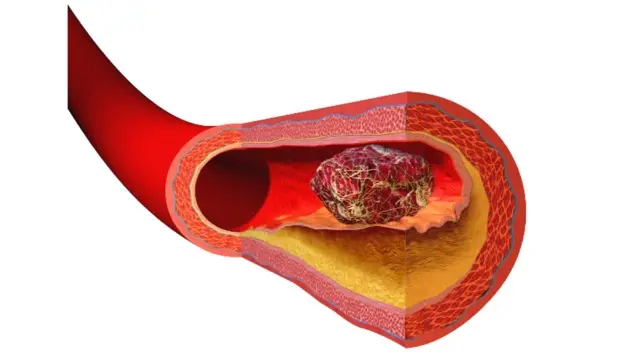
Seek urgent attention if one leg is suddenly swollen, painful, red or warm, which can be a blood clot (see swelling in one leg). Call 995 or go to an emergency department for chest pain, sudden breathlessness or coughing up blood.
Our vein check tool is a good starting point, and finding a vein specialist explains what an assessment involves.
This page is general education and not a diagnosis or a substitute for personal medical advice.
Frequently asked questions
Can men get varicose veins?
Yes. Varicose veins affect both men and women. Studies often report that they are found somewhat more often in women, partly because of pregnancy and hormones, but many men have them too. Men may also be less likely to report symptoms, so their numbers can be under-counted.
Why do men get varicose veins?
The main causes are the same as in women: inherited weakness in the vein walls and valves, increasing age, extra weight and long periods of standing or sitting still. Past injury to a leg or a previous blood clot can also damage the valves. Men in physically demanding or stationary jobs are not exempt.
Can you get varicose veins in your 20s?
Yes, although it is less common than in later life. When they appear early they often point to a strong family history. Long hours on your feet or at a desk, weight gain and, in women, pregnancy can bring them out earlier.
Are varicose veins in young adults serious?
Often they are mainly a cosmetic and comfort issue, but they can progress, and symptoms such as swelling, heaviness or skin changes deserve review. Small spider veins are different and usually harmless; see our page on spider veins versus varicose veins.
Why do men delay seeing a doctor about varicose veins?
Many men assume veins are a women's cosmetic problem, put up with aching legs or blame them on work and age. Getting checked early gives more options and lets a doctor rule out complications.
Sources and further reading
This article is general information, not personal medical advice. Please speak to a doctor about your own symptoms. How we create our content.