Are varicose veins genetic?
If your mother, father or siblings have bulging leg veins, you may wonder whether you are next. So, are varicose veins genetic? In part, yes. Family history is among the strongest known risk factors, and doctors often ask about it at the first visit. But genes load the dice rather than decide the result.
Varicose veins form when the one-way valves inside leg veins stop working well, so blood flows backwards and pools. Some people inherit veins with thinner or weaker walls, or valves that are more prone to failing, and this tends to run in families. For a full explanation of the condition, see varicose veins: symptoms, causes and risk factors and how veins work.
Do varicose veins run in families?
Large studies repeatedly find that people with a close relative with varicose veins are more likely to have them. As a rough guide:
- having one affected parent raises your chance
- having two affected parents raises it further
- the pattern can come from either side of the family
- siblings and even more distant relatives can be affected
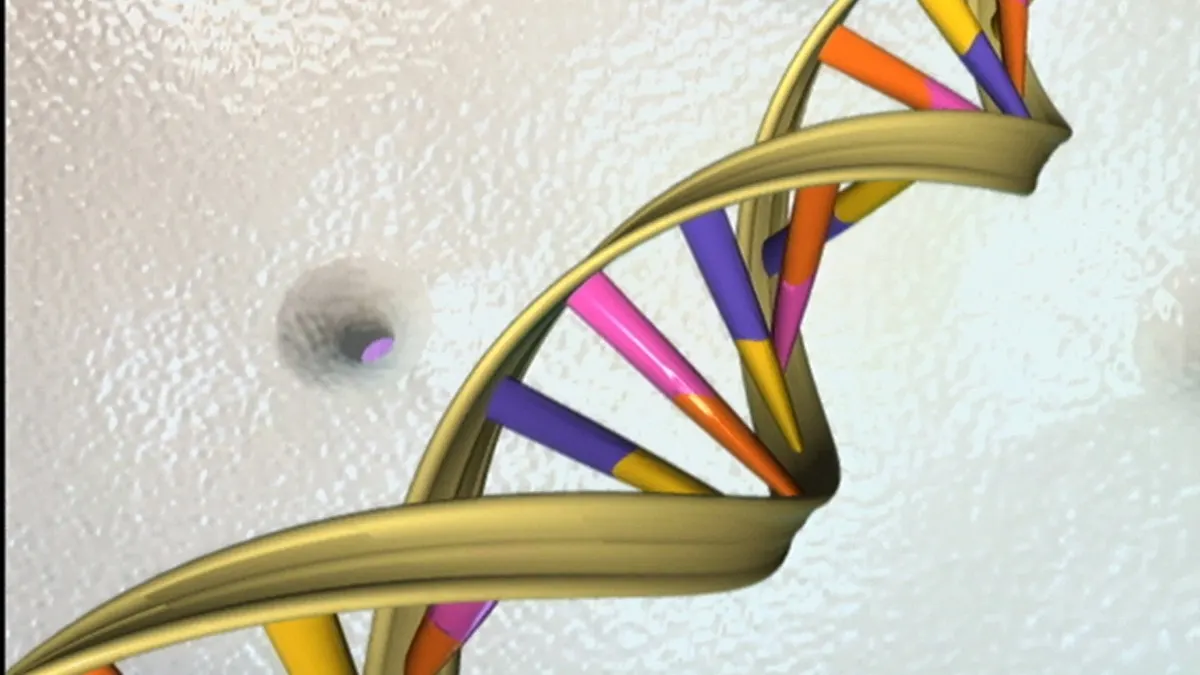
Researchers have found several genes that appear to contribute to vein structure and function, but no single gene explains varicose veins in most people. That is why the inheritance is described as complex, and why it is hard to give a precise figure for how much is inherited. You will see different percentages quoted online; they come from different studies and populations, so treat any exact number with caution.
There is a further difficulty. Families share more than genes: they often share jobs, diets, climates and habits. A family where everyone stood long hours in market or hawker work, for example, may develop vein problems partly because of the work. Separating inherited from environmental causes is not always possible.
Hereditary does not mean inevitable
Varicose veins also depend on other factors, which is why two siblings can differ:
- Age. The risk rises as you get older.
- Sex and hormones. Women are affected more often in many studies, and pregnancy can bring veins out; see varicose veins in pregnancy.
- Weight. Extra weight puts more pressure on leg veins.
- Standing or sitting for long periods. Jobs involving little leg movement are linked with symptoms. See standing, sitting and flying with varicose veins.
- Previous injury or clot. Damage to vein valves can start the problem.
Not everyone with a strong family history develops significant varicose veins, and some people with none do. It is also more common for symptoms to appear earlier in people with a strong family history; our page on varicose veins in men and young adults looks at this.
What you can still control
You cannot change the veins you were born with, but you can influence what happens next:
- Move often. Walking and calf exercises help your calf muscles pump blood upward. Avoid long stretches of standing or sitting still.
- Keep to a healthy weight. This eases pressure on leg veins.
- Raise your legs. Resting with your feet above hip level for 15 to 20 minutes can ease heaviness and swelling.
- Consider compression stockings. If your legs ache or swell, graded compression may help. See our compression stockings guide.
- Be sensible in the heat. Warm, humid days can make legs feel heavier; see swollen legs in hot weather.
- Do not rely on shortcuts. Creams and supplements have little evidence behind them; see do varicose vein creams work.
None of this can guarantee that veins will not appear, and it will not remove those that have. But it may reduce symptoms and slow progress. Our how to prevent varicose veins page sets out a fuller plan, and varicose vein myths clears up common misunderstandings, including blaming yourself for something that runs in your family.
Family history, spider veins and other vein conditions
Family history is not only about varicose veins. Fine surface thread veins also tend to run in families; see spider veins. Some less common conditions that affect veins are also inherited or present from birth, which is one reason doctors ask about the whole family, not just the legs.
It can be useful to ask relatives a few simple questions: who had visible veins, at what age, whether anyone needed treatment, and whether anyone had leg ulcers or a blood clot. A past blood clot in a relative is a separate matter from varicose veins and worth telling your doctor about; see how to prevent DVT. Having this information makes an assessment more useful.
It is also worth remembering that a family history is not a reason to feel anxious. Most people with varicose veins live normally, and modern assessment and treatment are well established. Knowing your risk simply helps you notice early changes sooner.
Should I get checked if it runs in my family?
You do not need to be checked just because relatives have varicose veins. It makes sense to seek assessment if you have symptoms such as aching, swelling, itching, cramps, skin changes or veins that are enlarging. An assessment usually includes a conversation, a leg examination and an ultrasound scan to see how blood flows in the veins. If you already have visible veins, varicose veins stages explains how doctors describe severity, and varicose vein treatments compared explains the options.
When to see a doctor
See a doctor if you have leg heaviness, pain or swelling that does not settle, veins that are getting bigger or painful, darkened or itchy skin around the ankles, or a sore that is slow to heal.
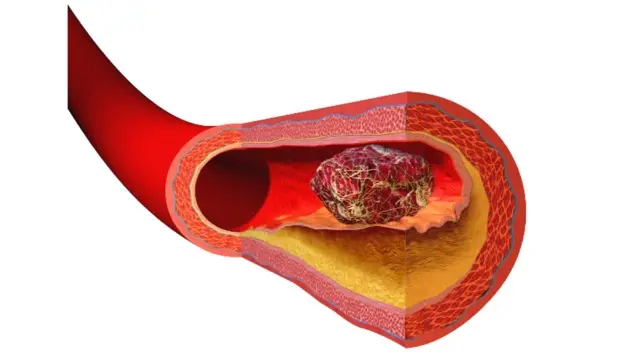
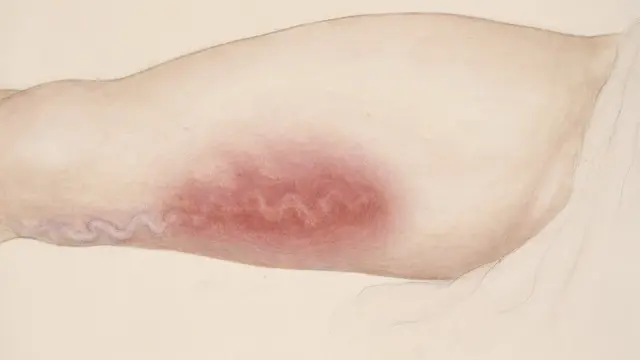
Seek urgent medical attention if one leg becomes suddenly swollen, painful, red or warm, since this can be a blood clot (see swelling in one leg). Call 995 or go to an emergency department if you have chest pain, sudden breathlessness or you cough up blood.
If you are unsure, the vein check tool can help you decide on a next step, and finding a vein specialist explains what an assessment involves.
This page is general education and not a diagnosis or a substitute for personal medical advice.
Frequently asked questions
Are varicose veins genetic?
Partly. Many people with varicose veins have a close relative who has them, and studies suggest that inherited traits affecting vein walls and valves play an important role. However, it is not a single faulty gene, and lifestyle and life events also contribute, so family history raises the odds rather than deciding the outcome.
Are varicose veins hereditary from mother or father?
They can be passed down on either side of the family. Having both parents affected is generally linked with a higher chance than having one. You may not always know your family history, since relatives often do not mention leg veins or mistake them for something else.
Do varicose veins run in families in Asia?
Yes, family clustering is seen in many populations, including in Southeast Asia. Climate, work patterns and women's pregnancies also affect how and when veins show, so patterns in a family can reflect shared habits as well as shared genes.
If my parents have varicose veins, will I get them?
Not necessarily. Your risk is higher, but many people with affected parents never develop significant varicose veins, and some people with no family history do. Staying active, keeping a healthy weight and not standing or sitting still for hours can help.
Can I prevent varicose veins if they run in my family?
You cannot guarantee prevention, but you can reduce the factors you control and notice early changes. Regular movement, a healthy weight, raising your legs, avoiding long periods of stillness and considering compression stockings if you have symptoms are all reasonable steps.
Sources and further reading
This article is general information, not personal medical advice. Please speak to a doctor about your own symptoms. How we create our content.