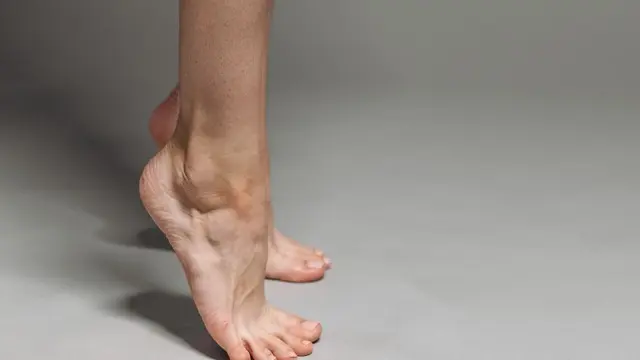
Why swollen legs in hot weather are so common
If your shoes feel tight by late afternoon, you are far from alone. Swollen legs in hot weather are one of the most common leg complaints in Singapore and across Southeast Asia, where it is warm and humid all year round. There is no cool season to give your legs a break.
The basic mechanism is simple. When you are hot, the small blood vessels near your skin widen so that heat can escape. Wider vessels let more fluid seep out into the surrounding tissue. Gravity then pulls that fluid towards the lowest part of your body. If you have been standing at a stall, walking around a mall or sitting at a desk, your calf muscles have not been pumping blood back up towards the heart as well as they could, and the fluid stays put.
The result is usually a puffy, tight feeling in the ankles and feet, sometimes with sock marks that linger. It tends to be worse at the end of the day and better in the morning after your legs have been level overnight.
Do varicose veins get worse in hot weather?
People with varicose veins often report that heat makes their legs feel worse. This matches what most vein clinicians see: the veins feel heavier, the legs ache and swelling is more noticeable when it is hot.
It helps to separate two things:
- How the legs feel. Warmth widens veins, which can make an already weak vein feel fuller and more uncomfortable.
- The underlying problem. Varicose veins come from faulty valves inside the veins, which let blood flow backwards. Heat is not known to damage these valves or to cause new varicose veins.
So hot weather is better thought of as a symptom trigger than a cause. Our guide to varicose veins: symptoms, causes and risk factors explains the valve problem in more detail, and how to prevent varicose veins covers the factors that do matter.
Hot baths, hot tubs and saunas
Hot tub, sauna and hot bath questions come up a lot, and the honest answer is that good research is limited.
What we can say with reasonable confidence:
- Very hot water widens the veins, so legs may feel heavier or more swollen during and after soaking.
- There is no solid evidence that occasional hot baths, hot tubs or saunas cause varicose veins or permanently worsen them.
- If you have recently had a vein procedure, follow the aftercare advice you were given, which often asks you to avoid very hot water for a period. See recovery after varicose vein treatment.
If you enjoy them, a few simple habits can help: keep the time short, finish with a cooler rinse over the legs, then lie down for a few minutes with your feet raised above hip level. If you feel faint, stop and cool down. People with heart conditions or on medication that affects blood pressure should check with their own doctor about saunas.
The air-conditioning trap
Singapore adds a twist: we go from hot, humid streets into very cold offices, malls and trains. The cool air can feel like relief, and for a while swelling does ease. But cold rooms tend to keep us seated and still, and the lack of calf movement is a bigger driver of swelling than the temperature itself. Many people with desk jobs find their legs swell just as much in a chilly office as on a hot day outdoors.
Simple ways to cope with heat and swelling
None of these is a cure, but together they make a real difference for many people:
- Move your calves. Walk for a few minutes every hour, or do ankle pumps and heel raises at your desk or behind a counter.
- Raise your legs. Lie down and rest your feet above hip level for 15 to 20 minutes in the evening. Our guide to how to reduce leg and ankle swelling goes through this in more detail.
- Avoid standing still. Shift your weight, step side to side or take short walks. More on this in standing, sitting and flying with varicose veins.
- Stay hydrated. Drinking water does not remove swelling directly, but it supports normal circulation and helps you cope with heat.
- Wear breathable clothing and comfortable shoes. Loose, light fabrics and supportive footwear avoid adding pressure.
- Consider compression stockings. Graded compression can reduce swelling and heaviness. They can feel warm in our climate, so fit and fabric matter. See our compression stockings guide and the page on compression stockings for swelling.
- Keep a healthy weight and stay active. Regular walking, swimming or cycling helps leg circulation.
Cooling the legs with a cool shower or a damp cloth can ease the feeling of heaviness, though the effect is temporary.
Other causes of leg swelling worth knowing
Not every swollen leg is a vein problem. Common alternatives include:
- long periods of sitting or standing
- pregnancy (see varicose veins in pregnancy)
- some medicines, such as certain blood pressure tablets
- heart, kidney or liver conditions
- hormonal changes, including the days before a period
- injuries or infections in the leg
Our page on leg swelling lists causes in more depth. If your swelling is persistent, does not settle overnight, or is getting worse over weeks, it is worth getting a doctor to look for the cause rather than assuming it is the weather.
When to see a doctor
See a doctor if:
- swelling does not go down after a night’s rest or keeps getting worse
- you have skin changes around the ankles, such as darkening, itching, eczema or a sore that is slow to heal
- you see new or painful bulging veins
- swelling is accompanied by shortness of breath when lying flat or tiredness that is unusual for you
Seek urgent medical attention if only one leg is suddenly swollen, painful, red or warm, since this can be a blood clot. See swelling in one leg and how to prevent DVT for more. Call 995 or go to an emergency department straight away if you have chest pain, sudden breathlessness or you cough up blood.
If you are unsure where to start, our vein check tool can help you think through your symptoms, and our page on finding a vein specialist explains what to look for.
This page is general education and not a diagnosis or a substitute for personal medical advice.
Frequently asked questions
Why do my legs swell in hot weather?
Heat makes the small blood vessels in your skin widen so your body can lose warmth. That lets more fluid leak into the tissues, and gravity pulls it down to your ankles and feet, especially if you have been standing or sitting for hours. Mild, even swelling in both legs that eases overnight is common and usually harmless.
Do varicose veins get worse in hot weather?
Many people notice that existing varicose veins feel heavier, itchier or more swollen when it is hot, and they feel better in cooler air. There is little evidence that heat causes the veins to form or permanently worsens the underlying valve problem. It mainly affects how the legs feel.
Are hot baths, hot tubs or saunas bad for varicose veins?
There is no good evidence that they cause varicose veins or make them permanently worse. Very warm water does widen the veins, so legs may ache or swell more afterwards. If you enjoy them, keep sessions short, cool your legs off afterwards and raise them for a few minutes.
Can air-conditioning help swollen legs?
Cooler air can make legs feel more comfortable, but it does not fix the cause. Long hours sitting still in an air-conditioned office can still lead to swelling, so keep moving regardless of the temperature.
When is leg swelling in hot weather not normal?
Be cautious if swelling affects only one leg, appears suddenly, is painful, red or warm, or comes with breathlessness or chest pain. Swelling that does not go down overnight, or that comes with skin changes or sores, should also be assessed.
Sources and further reading
This article is general information, not personal medical advice. Please speak to a doctor about your own symptoms. How we create our content.