What are varicose veins?
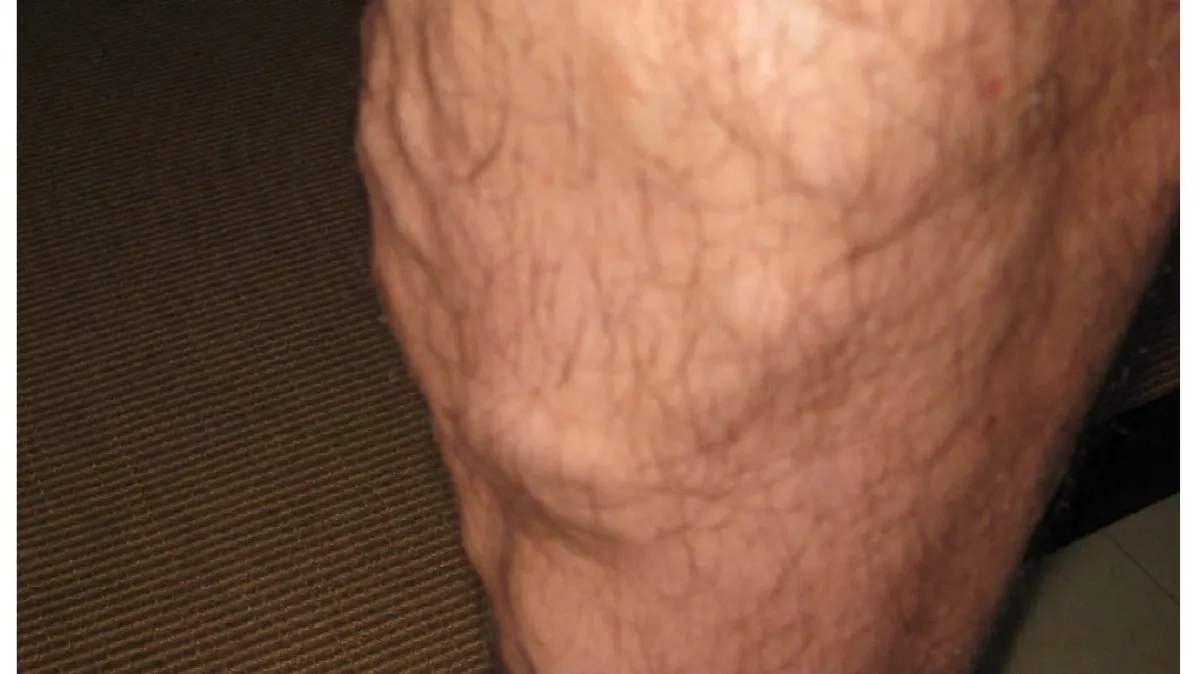
Varicose veins are swollen, twisted veins that sit just under the skin, most often on the calves, behind the knees and along the inner thighs. They usually look blue or purple, can be raised like ropes or cords, and are typically 3 mm or more across.
Doctors see them as one stage of a wider condition called chronic venous disease. Under the international CEAP system, visible varicose veins are graded C2. Swelling (C3), skin changes (C4) and ulcers (C5–C6) are later stages that some — but not all — people go on to develop.
Why varicose veins happen
Your leg veins have to push blood upwards, against gravity, back to your heart. Two things make this possible:
- The calf muscle pump. Each step you take squeezes the deep veins in your calf and pushes blood upwards.
- One-way valves. Small flaps inside the veins close after each squeeze so blood can’t fall back down.
When valves in the surface veins weaken or stop closing properly, blood leaks backwards and pools. This is called venous reflux. Pressure inside the vein rises, the vein wall stretches, and over time it becomes enlarged and twisted.
Reflux most often starts in the two main surface veins — the great saphenous vein on the inner leg and the small saphenous vein at the back of the calf — and spreads into their branches.
Who gets them? Risk factors
Varicose veins are very common worldwide, and they become more likely with age. Your risk is higher if you have:
- A family history. This is one of the strongest risk factors — if one or both parents had varicose veins, your risk is significantly higher.
- Increasing age. Vein walls and valves lose elasticity over time.
- Female sex and pregnancy. Hormones relax vein walls, and pregnancy increases blood volume and pressure on pelvic veins. Each pregnancy adds to the risk.
- Long hours standing or sitting. Nurses, retail and F&B staff, hairdressers, teachers, security officers and drivers are commonly affected.
- Excess weight. Extra weight increases pressure on leg veins.
- A previous blood clot (deep vein thrombosis), which can damage valves in the deep veins.
Symptoms to look out for
Some people have very visible veins but few symptoms; others have aching legs with veins that are hard to see. Common symptoms include:
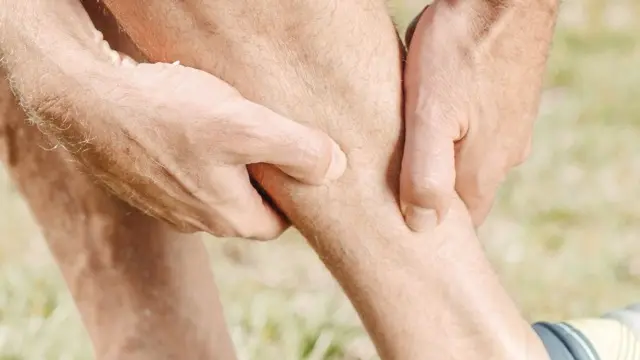
- Aching, heaviness or tiredness in the legs
- Throbbing, burning or tingling
- Swelling around the ankles, often worse at the end of the day
- Itching over the veins
- Night cramps or restless legs
- Symptoms that get worse after standing or sitting for a long time and feel better when you walk or raise your legs
In Singapore’s heat and humidity many people notice their symptoms more, because warmth makes veins dilate.
Signs the condition is progressing
- Darkening or brownish discolouration of the skin around the ankle
- Dry, itchy, eczema-like skin over the lower leg
- Hard, tight or shiny skin above the ankle (lipodermatosclerosis)
- A wound near the ankle that is slow to heal (venous ulcer)
Possible complications
- Bleeding. A varicose vein near the skin surface can bleed heavily if knocked or scratched. Lie down, raise the leg high and press firmly on the spot, then seek medical care.
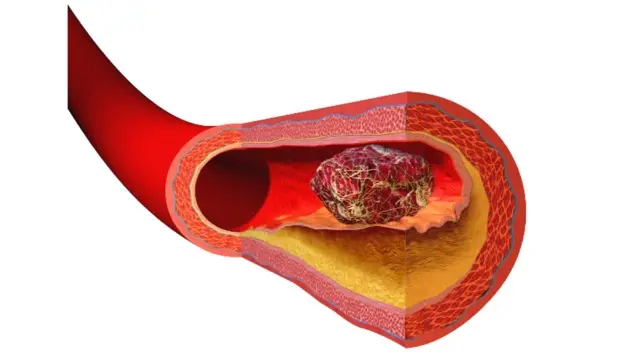
- Superficial thrombophlebitis. A painful, red, hard cord along a vein caused by a clot in a surface vein. It should be checked, because it can sometimes extend into the deep veins.
- Skin damage and ulcers. Long-standing high pressure damages the skin and tissue near the ankle.
When it’s an emergency: sudden pain, swelling, warmth or redness in one leg can be a deep vein thrombosis (DVT). If it comes with breathlessness, chest pain or coughing up blood, call 995 or go to the nearest emergency department straight away.
How varicose veins are diagnosed
A specialist will ask about your symptoms and history and examine your legs while you stand. The key test is a duplex ultrasound scan. It is painless, uses no radiation, and shows:
- Which veins are leaking, and where the reflux starts
- The size and course of each vein
- Whether the deep veins are healthy and free of clots
The scan is what tells your doctor whether you need treatment and which option suits you. In Singapore, documented reflux on duplex ultrasound is also generally needed for treatment to be considered medically necessary for MediSave and insurance claims. See our guide to costs, MediSave and insurance.
For a closer look at warning signs, read when to worry about varicose veins.
If your varicose veins are mainly on the feet and ankles, read about varicose veins in the feet.
When to see a doctor
It is a good idea to book an assessment if:
- Your legs ache, swell or feel heavy most days
- Your veins are getting bigger, more painful or more numerous
- You notice skin changes near the ankle
- A vein has bled, or a sore on your lower leg is not healing
- Your symptoms are affecting your sleep, work or exercise
If you’re unsure, try our two-minute vein symptom check. You can also read this practical checklist on when to see a doctor about varicose veins.
What are the treatment options?
Not everyone needs a procedure. Mild symptoms can often be managed with lifestyle changes and compression stockings. When treatment is needed, most people today have minimally invasive procedures usually under local anaesthetic, such as radiofrequency ablation, VenaSeal, ClariVein or sclerotherapy, and many go home the same day.
We compare each option side by side in Varicose vein treatments compared.
Frequently asked questions
Are varicose veins dangerous?
Most are not dangerous, but they are a sign of venous reflux, which tends to get slowly worse. Over years this can lead to swelling, skin damage and leg ulcers in some people. Bleeding from a varicose vein and superficial clots can also occur. Getting checked lets you know which stage you are at.
Can varicose veins go away on their own?
No. Damaged vein valves do not repair themselves. Exercise, weight loss and compression stockings can ease symptoms and slow progression, but the veins themselves need treatment to be closed or removed.
Are varicose veins and spider veins the same thing?
They are related but different. Spider veins are tiny (under 1 mm) and flat, usually a cosmetic concern. Varicose veins are larger (3 mm or more), raised and more often cause symptoms. Spider veins can sometimes be a clue to reflux in larger veins underneath.
What kind of doctor treats varicose veins in Singapore?
A vascular surgeon is the specialist trained to diagnose and treat the full range of vein and artery conditions, including minimally invasive procedures. Your GP can be a good first stop and can refer you.
Sources and further reading
This article is general information, not personal medical advice. Please speak to a doctor about your own symptoms. How we create our content.