Everyone has had aching legs after a long day, a long walk or a long flight. When the ache keeps coming back, or comes with a heavy, tired feeling, it is worth asking why. Veins are often involved, but muscles, joints, nerves and arteries can all be behind it. This page walks through the common causes, how to relieve aching legs at home and when to see a doctor. It is educational and cannot diagnose you.
Start with veins: heavy, aching legs
Leg veins have one-way valves that help blood travel upward against gravity. If the valves weaken, blood pools in the lower leg and pressure builds up. The result is often an aching, heavy, tired feeling that is worse towards evening. Typical clues:
- Aching worse after standing or sitting, and better after walking, resting or raising the legs
- Heat, such as a hot afternoon, making it worse
- Visible varicose veins, spider veins or bulging veins, though some people have none on show
- Swelling around the ankles, itching, or darker skin near the ankle
- A throbbing or burning feeling along a vein, or night cramps
This pattern is called chronic venous insufficiency. It is common, especially in people with a family history, in those who stand or sit for long hours and after pregnancy. For more about the vein pain pattern, see vein pain in the leg.
Other causes of leg problems
Not every ache comes from veins. If my legs hurt is the main complaint, other causes include:
- Tired or overused muscles. New exercise, long walks or a hard workout often cause an ache that eases within days.
- Cramps. Sudden, tight muscle spasms, often at night. See leg cramps at night.
- Restless legs. An urge to move the legs, usually in the evening, that eases with movement; see restless legs syndrome.
- Joint problems. Arthritis in the knee, hip or ankle can feel like deep aching in the leg.
- Nerve problems. Burning, tingling or electric pain may come from a pinched nerve in the back or from nerve damage related to diabetes.
- Poor arterial circulation. Calf pain that comes on with walking and eases within minutes of rest can mean narrowed leg arteries; see leg pain when walking.
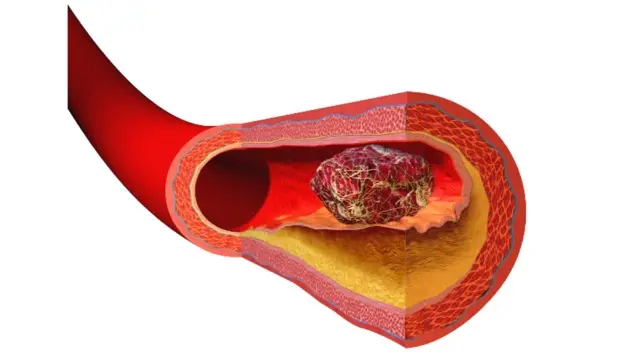
- Blood clots. A clot in a deep vein usually affects one leg and causes pain, swelling and warmth; see deep vein thrombosis.
For a wider map of leg pain, see leg pain causes and leg pain at night.
Aching calves
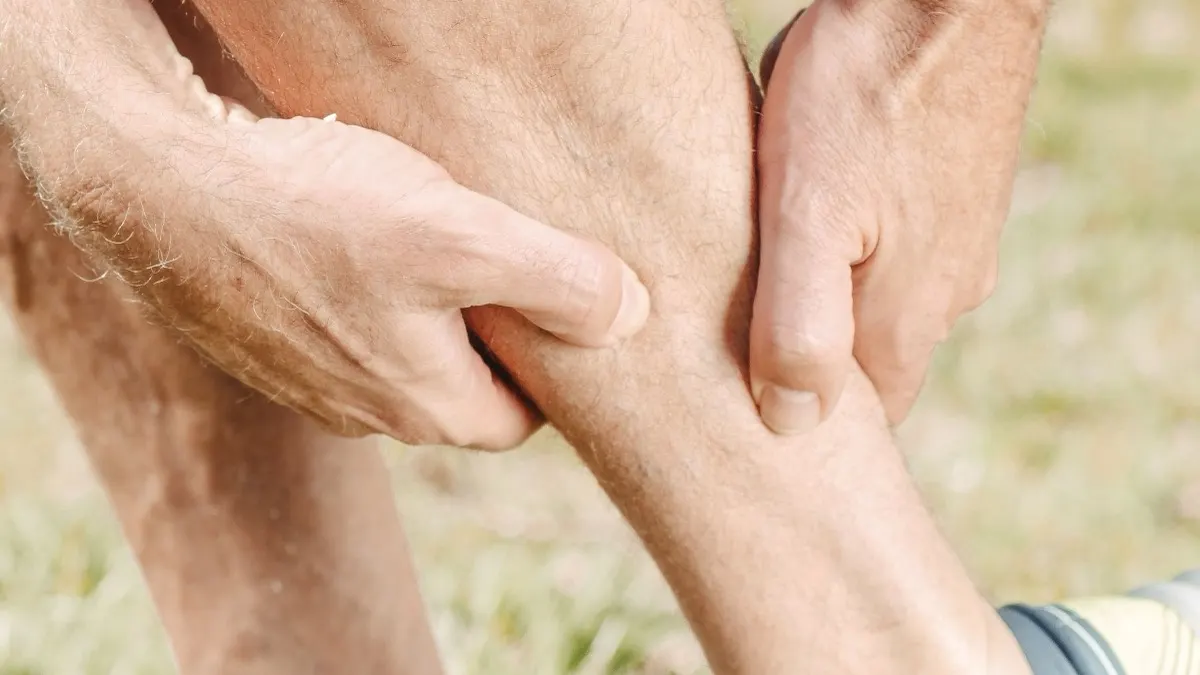
Aching calves deserve a few special words. Tight, tired calves after exercise or after standing all day are common. Calf aching that keeps returning with swelling and heaviness often points to veins. Calf pain that is sudden, in one leg, with swelling, warmth or redness, could be a clot and needs urgent assessment. Calf pain during walking that stops when you rest is a different pattern and may reflect circulation in the arteries.
Aching feet causes
Many readers also search for aching feet causes. The usual suspects are long hours standing, unsupportive or ill-fitting shoes, flat feet, arthritis, nerve damage from diabetes or other conditions, and swelling from fluid in the tissue. When aching feet come with swollen ankles, vein, heart, kidney or medicine causes can be involved; see swollen ankles for the details. If you have diabetes and notice numbness, burning or sores on the feet, see a doctor promptly.
What to notice before you see a doctor
A few details make a visit much more useful. Note whether the ache is in one leg or both, whether it is worse in the evening or at night, whether resting or raising the legs helps, and whether you see swelling, visible veins, itching or darker skin. Mention any new medicines, recent travel, surgery or long periods of bed rest, and any family history of vein problems or clots. These clues help a doctor tell vein, muscle, nerve and artery causes apart.
How to relieve aching legs
For everyday aching, these steps help many people:
- Move regularly. Walk, stretch or rise on your toes every hour if you sit or stand for work. Calf muscles act as a pump for the veins.
- Raise your legs. Rest them above heart level for 20 to 30 minutes, a few times a day.
- Avoid long periods in one position. Do not stand still or sit with legs crossed for hours. See standing, sitting and flying.
- Keep cool. Heat and humidity worsen heavy legs. Air-conditioned rooms, cool showers and loose clothing can help; see heat, humidity and your veins.
- Wear comfortable, supportive shoes. Rotate them and avoid very high heels for long periods.
- Stay active and keep a healthy weight. Both lower the load on leg veins over time.
- Consider compression. Graduated stockings relieve aching in many people with vein-related symptoms. They are not suitable for everyone, especially with poor leg circulation, so ask a doctor or pharmacist first. See the compression stockings guide.
If the cause is weak veins, these measures help symptoms but do not mend the valves. Your doctor may arrange a leg vein ultrasound and discuss options, which are outlined in varicose vein treatments compared. Our vein symptom check is a starting point, and the glossary explains the terms.
When to see a doctor
Call 995 if leg symptoms come with sudden trouble breathing, chest pain, or if you cough up blood or feel faint.
Get same-day medical care if:
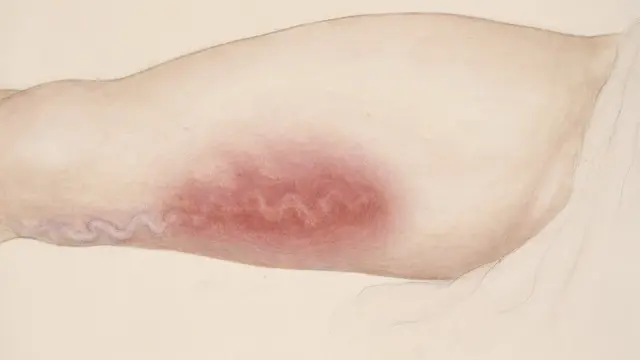
- One leg is suddenly painful, swollen, warm or discoloured
- The leg turns pale, cold, blue or numb
- The skin is hot, red and spreading, or you have a fever
- You have had recent surgery, a long flight or immobility and a calf becomes painful and swollen
See a doctor soon if aching is persistent, keeps returning, is getting worse, wakes you at night, or comes with visible veins, swelling, itching, skin colour changes or sores. A GP can check the cause and refer you to a vascular or vein specialist if needed; see find a vein specialist.
This page is educational and does not replace personal medical advice.
Frequently asked questions
Why do my legs ache at the end of the day?
Standing or sitting for long periods lets blood and fluid pool in the legs, especially in hot weather. If the aching is mild and eases overnight it may be harmless. If it happens daily, or you notice swelling or visible veins, weak vein valves could be involved.
What causes aching calves?
Common causes include muscle tiredness, tight calves, cramps and vein valve problems. Aching calves with swelling, warmth or redness in one leg should be checked urgently, as a blood clot can cause these signs.
How can I relieve aching legs at home?
Walk regularly, avoid standing or sitting still for long periods, raise your legs above heart level for 20 to 30 minutes, keep cool and wear comfortable supportive shoes. Gentle calf stretches can help. Compression stockings help some people but are not right for everyone.
What are common causes of aching feet?
Standing for long hours, poorly fitting shoes, flat feet, arthritis, nerve problems such as diabetic neuropathy, and swelling from vein or other conditions can all cause aching feet. A doctor can help if it persists.
Are aching legs a sign of varicose veins?
They can be. Aching and heaviness are among the most common symptoms of vein disease, even when varicose veins are not obvious on the surface. A painless ultrasound scan can show whether the vein valves are leaking.
Sources and further reading
This article is general information, not personal medical advice. Please speak to a doctor about your own symptoms. How we create our content.