Walk into a pharmacy in Singapore, Malaysia or the Philippines and you will probably find a shelf of products for leg veins. A varicose veins cream is cheap, easy to buy and has no downtime, so it is understandable that many people try one first. The question is whether it does anything for the veins themselves.
The short answer is no. Here is why, what creams can reasonably offer, and what has stronger evidence.
What causes varicose veins, and why that matters
Varicose veins are enlarged, twisted veins, usually in the legs. They develop when one-way valves inside the vein stop closing properly. Blood then leaks backwards and pools, stretching the vein. This is called venous reflux. For a fuller explanation, see varicose veins: symptoms, causes and when to see a doctor.
The faulty valve is inside the vein, often deeper than a cream can reach and in any case not something chemistry on the skin can mend. That is the central reason no topical product has been shown to cure varicose veins.
Does a cream for varicose vein relief actually work?
Guidelines on managing varicose veins, including NICE CG168 and the 2022 European Society for Vascular Surgery guideline, focus on assessment with ultrasound, compression and procedures that close or remove faulty veins. Topical creams are not recommended as a way of treating the veins. They are not described as an effective alternative to treatment.
That does not mean every product is useless. It means we need to separate comfort from treatment.
What a cream can plausibly do
- Cooling and soothing. Gels with a cooling effect can feel refreshing after a long day on your feet.
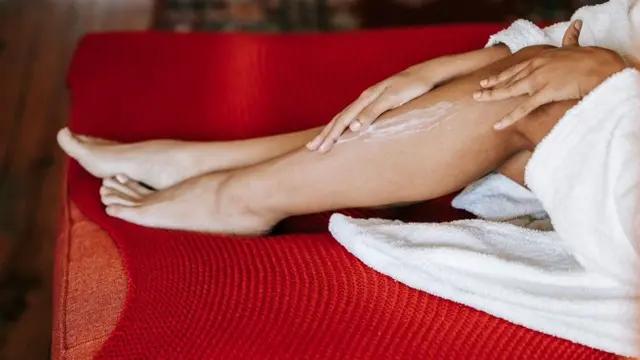
- Massage effect. Gently applying a cream involves stroking and light pressure, which many people find relaxing. The benefit is mostly from the act of rubbing, not the ingredient.
- Moisturising. Dry, itchy skin is common around varicose veins. A plain moisturiser can ease dryness and reduce scratching.
- Camouflage. Some products contain colour or shimmer to make veins less noticeable. This is cosmetic only.
What a cream cannot do
- Repair valves
- Shrink or close an enlarged vein
- Prevent new varicose veins
- Stop skin changes, ulcers or bleeding from developing
Common ingredients in varicose vein ointment products
Labels can be confusing. You may see:
- Horse chestnut extract. Oral extracts have been studied for leg symptoms, with mixed and limited evidence. Creams are less well studied.
- Heparinoid or heparin gels. Used on the skin for bruising and superficial inflammation. They are not a treatment for the valve problem.
- Menthol, camphor and similar cooling agents. They feel cool but do not treat the veins.
- Plant extracts such as witch hazel, butcher’s broom or grape seed. Evidence of benefit for varicose veins is weak or unproven.
- Vitamin K or vitamin C. Marketed for appearance, but there is no good evidence they shrink visible veins.
Ingredients can differ between countries and brands, so ask a pharmacist if you are unsure what is in a product.
Why varicose vein cream is so popular in Southeast Asia
In many parts of Southeast Asia, topical ointments and balms are a familiar first step for aches and pains, and they are easy to buy without a prescription. Creams for leg veins fit that habit. Advertising often shows before-and-after photographs and uses words such as “dissolve”, “detox” or “natural”. Be sceptical of these claims. Photographs can be affected by lighting, posture and make-up, and no reputable guideline recommends creams to remove varicose veins.
Hirudoid gel for varicose veins in Singapore
Hirudoid is one of the better-known brand names that people ask about. It is typically used for bruises and some inflamed superficial veins. It is sometimes recommended for a tender, red lump along a surface vein, but that situation is something a doctor should assess first, because it can sometimes involve a clot in the vein. It is not a treatment for the underlying reflux. If you use it, treat it as a short-term comfort measure and check with a pharmacist or doctor about whether it suits you.
Risks of using creams
Most creams are low risk, but there are some issues:
- Irritation or allergy. Skin around varicose veins can already be dry, itchy or inflamed (varicose eczema). Fragrances, preservatives and plant extracts can trigger reactions. See NHS guidance on contact dermatitis for what this looks like.
- Delay in getting help. The biggest risk is time. If a cream makes you feel the problem is being dealt with, you may postpone a check while reflux gradually progresses.
- Cost. Repeated purchases of products that cannot work add up.
- Forceful rubbing. Deep massage over tender, hard or red veins is best avoided.
What actually helps varicose veins
Evidence-based care is more modest in marketing terms but more effective:
- Assessment. A duplex ultrasound scan shows whether reflux is present and how severe it is.
- Movement and elevation. Walking and calf exercises power the calf muscle pump. Raising your legs eases heaviness.
- Compression stockings. These can relieve aching and swelling when worn properly. Read the compression stockings guide.
- Procedures. Modern options include vein ablation, VenaSeal and sclerotherapy. These treat the faulty vein itself. Compare them in varicose vein treatments compared. Whether treatment is suitable for you depends on your scan, symptoms and general health.
- Healthy habits. See how to prevent varicose veins.
For the other common beliefs about veins, our varicose vein myths guide is a good companion.
How to choose if you still want to try a cream
If you would like to use a product for comfort, be a smart buyer:
- Pick a simple, fragrance-free moisturiser first.
- Test a small patch before using it on the whole leg.
- Do not apply to broken skin, open sores or infected areas.
- Ignore promises that sound too good to be true.
- Keep a note of symptoms. If they continue or worsen despite the product, get checked.
- Let your doctor or pharmacist know about everything you use, including herbal products.
When to see a doctor
See a doctor if:
- your legs ache, feel heavy, swell or cramp at night
- the skin around the ankle is darkening, itchy, dry, scaly or hard
- you have a sore that is slow to heal, or an ulcer
- a vein bleeds, or becomes hard, red, painful or hot
- one leg is suddenly swollen or painful
Call 995 immediately if you have sudden chest pain, sudden shortness of breath or you cough up blood, or if a vein bleeds heavily and does not stop with firm pressure. Until help arrives, lie down, raise the leg and press firmly on the bleeding point with a clean cloth. To organise your symptoms before an appointment, try the vein symptom check or see how to find a vein specialist.
Frequently asked questions
Can a varicose veins cream make the veins go away?
No. Varicose veins are caused by faulty valves inside the vein. A cream sits on the skin and cannot reach or repair them.
Is a cream for varicose vein symptoms ever useful?
It may offer short-term comfort. Cooling or moisturising products can feel soothing, and a good moisturiser helps dry, itchy skin. These effects are about comfort and skin care, not treatment of the veins.
Does Hirudoid gel work for varicose veins?
Hirudoid is a topical product that contains heparinoid. It is commonly used for bruises and some superficial vein inflammation, and many people in Singapore know it by name. It does not treat the valve problem behind varicose veins. Ask a pharmacist or doctor whether it suits your situation.
Is a varicose vein ointment safe to use?
Most are low risk, but they can cause irritation or allergy. Do not apply to broken or infected skin or open ulcers, and stop if you develop a rash. Avoid deep or forceful rubbing over tender, hard or red veins.
What is a better option than cream?
Movement, leg elevation, compression stockings for symptoms, and procedures to close or remove faulty veins when needed. See the treatments compared guide.
Sources and further reading
This article is general information, not personal medical advice. Please speak to a doctor about your own symptoms. How we create our content.