Do varicose veins go away after pregnancy?
If you developed bulging leg veins while pregnant, the question on your mind after delivery is probably simple: do varicose veins go away after pregnancy? For many women, the answer is “partly, or mostly, but not always”. Veins that appeared during pregnancy often improve noticeably in the weeks and months after birth. Some stay, and a few get worse in later pregnancies.
This page looks at what to expect after delivery. For care while you are still pregnant, see our page on varicose veins in pregnancy.
Why they often improve
Varicose veins in pregnancy are driven by a combination of factors that mostly reverse after birth:
- Hormones. Higher levels of pregnancy hormones relax vein walls. After delivery they fall back over weeks.
- Blood volume. Your body produces extra blood during pregnancy, and the volume returns towards normal after the baby is born.
- Pressure from the womb. The growing uterus presses on the large pelvic veins. Once it has gone back to its usual size, the pressure on leg veins eases.
As these pressures drop, veins that were stretched but whose valves were still working reasonably well can shrink back and look much less obvious. Aching and swelling often ease too.
A realistic timeline
Everyone is different, but a typical picture looks like this:
- First weeks. Swelling usually settles first, because fluid is shed quickly. Legs often feel lighter.
- First three months. Many veins shrink and symptoms improve, though energy, sleep and activity levels are still recovering.
- Three to six months. By now it is usually clearer which veins will stay. If breastfeeding continues, hormones may keep changing for longer.
- After six months. Veins that remain visible, painful or heavy are less likely to disappear by themselves.
These are rough guides, not guarantees. Some women see little change, and others see veins disappear within weeks.
Why some veins stay
Veins are more likely to persist when:
- the valves inside them were already weak or have been damaged
- you have a strong family history; see are varicose veins genetic
- you have had several pregnancies
- you gained a lot of weight, or have not lost it
- your job keeps you on your feet or seated for hours; see standing, sitting and flying with varicose veins
- the veins were large or symptomatic during pregnancy
Remaining veins are not a sign that you did something wrong. Pregnancy often simply reveals a tendency that was already there. Our guide to varicose veins: symptoms, causes and risk factors explains the valve problem in more detail.
What helps while you wait
- Keep moving. Gentle walking soon after birth, as your midwife or doctor advises, helps circulation.
- Raise your legs. Resting with your feet above hip level for 15 to 20 minutes can ease heaviness, whether you are feeding or resting.
- Avoid long periods of standing still. Shift your weight and take short walks.
- Work towards a healthy weight gradually, without crash dieting while recovering or breastfeeding.
- Think about compression stockings. Many women find them helpful for aching legs. Fitting matters, so see our compression stockings guide and the page on compression stockings in pregnancy.
- Mind the heat. Singapore’s humidity can make legs heavier; see swollen legs in hot weather.
When treatment is worth considering
It is sensible to wait several months after birth before deciding on treatment, since many veins improve by themselves. Treatment may be worth discussing if, after that time:
- veins are still painful, aching or swollen
- you have skin changes, itching or eczema near the ankle
- the veins have bled, or you have had inflammation in a vein
- you are bothered by their appearance and want to talk through options
Most women will also want to consider breastfeeding and whether they are planning another pregnancy, since treatment is usually timed around these. An assessment normally involves an ultrasound scan to check how blood is flowing in the veins. Options range from stockings to procedures such as ablation or sclerotherapy, compared in varicose vein treatments compared. Smaller thread veins are covered in spider veins.
Another pregnancy and your veins
If you plan more children, it helps to know that veins that settled after one pregnancy may return, and often more quickly, in the next. That does not mean you should avoid pregnancy; it means paying attention to the habits that help legs: moving regularly, resting with your legs raised and, if advised, wearing compression stockings from early on.
Some women choose to delay vein treatment until their family is complete, because new pregnancy pressures may bring veins back. Others treat symptomatic veins first because they are uncomfortable. Both are reasonable, and the choice depends on your symptoms, plans and what an assessment finds. It is worth saying plainly at any appointment whether you are breastfeeding or planning another baby.
Pelvic and vulvar veins can also remain enlarged for a time after birth in some women, causing a dragging or heavy feeling; see pelvic congestion syndrome for when this needs a closer look.
Blood clots after birth: know the signs
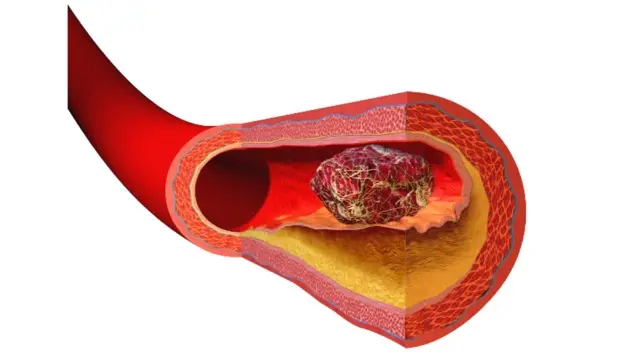
The weeks after delivery carry a higher risk of blood clots in the legs, and this is different from ordinary varicose veins. Keep an eye out for:
- pain, swelling, warmth or redness in one leg, often the calf
- a heavy, cramping feeling in one calf that is not easing
- new breathlessness, chest pain or coughing up blood
See blood clot in leg symptoms and how to prevent DVT for more.
When to see a doctor
See a doctor if:
- your veins have not improved several months after birth and are bothering you
- legs stay painful, heavy or swollen
- you notice skin darkening, rashes, or a sore that is slow to heal
- a vein is painful, hard or red
Seek urgent medical attention for sudden pain and swelling in one leg. Call 995 or go to an emergency department straight away for chest pain, sudden breathlessness or coughing up blood.
The vein check tool can help you think through your symptoms, and finding a vein specialist explains what an assessment involves.
This page is general education and not a diagnosis or a substitute for personal medical advice.
Frequently asked questions
Do varicose veins go away after pregnancy?
Often they improve a lot, sometimes within weeks and sometimes over several months after birth. They do not always go away completely. Veins that were mild and appeared only in pregnancy are more likely to settle, while larger veins, or veins in someone with a family history, are more likely to persist.
How long do varicose veins take to go away after giving birth?
There is no fixed timeline. Many women notice improvement in the first few weeks and months as fluid and hormone levels settle. Waiting around three to six months, and longer if you are breastfeeding or planning another pregnancy, is common before deciding whether the veins are permanent.
Why do my varicose veins remain after pregnancy?
If the valves inside the vein were damaged, the vein may stay enlarged even when the pregnancy pressure has gone. Several pregnancies, weight gain, a family history of varicose veins and long periods of standing can all make this more likely.
Can I have treatment after pregnancy?
Treatment is usually considered once the veins have had time to settle, you have finished breastfeeding if that matters to you, and you are not planning another pregnancy soon. A vein assessment with an ultrasound can show whether the veins are likely to need treatment.
Are varicose veins after pregnancy common in Malaysia and Singapore?
Yes, they are common in the region, as elsewhere. Warm, humid weather can make legs feel heavier and more swollen, and the post-birth months can be busy and tiring, so many women notice leg symptoms even after delivery.
Sources and further reading
This article is general information, not personal medical advice. Please speak to a doctor about your own symptoms. How we create our content.