Spotting blood clot in leg symptoms early matters, because a clot in a deep vein (deep vein thrombosis, or DVT) can travel to the lungs. The tricky part is that symptoms vary a lot, they overlap with common problems such as muscle strain, and some people have none. This page explains the typical signs, what a clot can feel and look like, why you cannot check reliably at home, and which symptoms mean an emergency. For the bigger picture, see our guide to deep vein thrombosis.
Emergency signs: call 995
A piece of clot that has travelled to the lungs is called a pulmonary embolism. Call 995 immediately if you have any of these, with or without leg symptoms:
- Sudden shortness of breath or difficulty breathing
- Chest pain that may be sharp and worse when you breathe in
- Coughing up blood
- A racing heartbeat, dizziness, fainting or feeling suddenly very unwell
Do not wait to see if it settles and do not drive yourself.
Symptoms of blood clot in leg: the main signs
The symptoms of blood clot in leg most often develop in one leg and may appear over hours to days. They include:
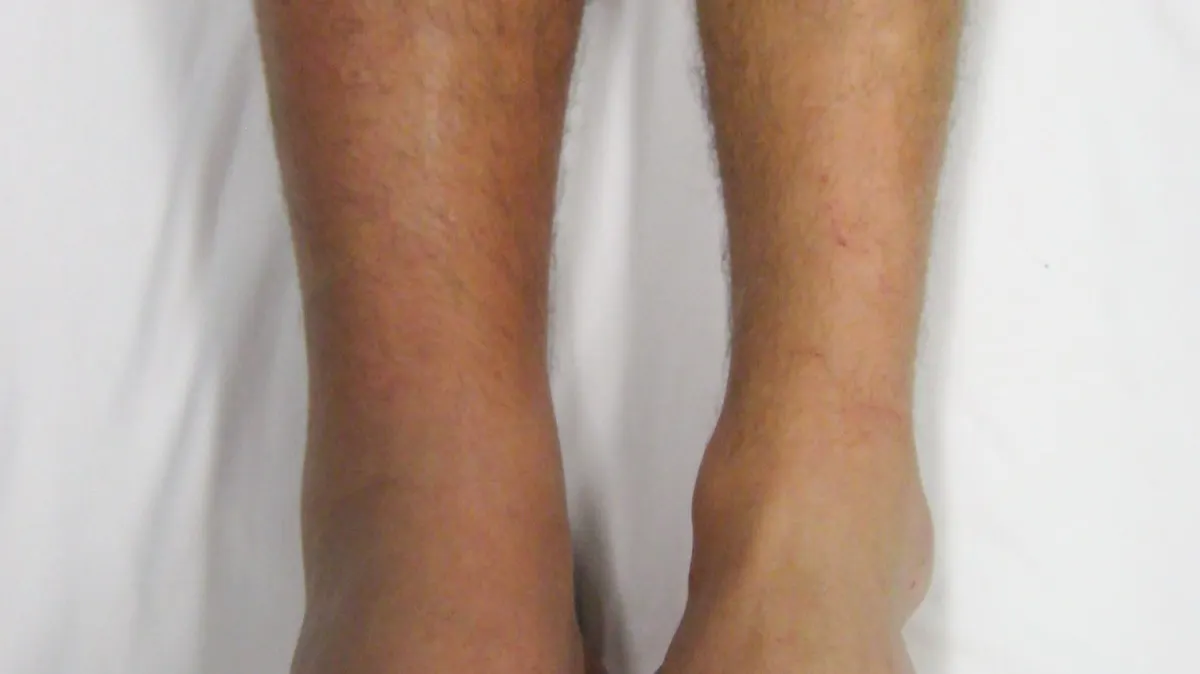
- Swelling of the calf, ankle, foot or the whole leg. This is the most useful sign. Swelling in one leg only is more concerning than the same swelling in both.
- Pain or tenderness, often in the calf, which may feel like a cramp or a pulled muscle that does not go away. It may be worse when you stand or walk, or when you flex your foot upward.
- Warmth in the skin over the affected area.
- Red or darker skin, or a bluish or purple tinge, depending on skin tone.
- Visible surface veins that look more prominent than usual on that leg.
- Heaviness or tightness, as if the leg is too full.
Signs of blood clot in leg that doctors look for
When you are examined, the signs of blood clot in leg that raise suspicion include a calf that measures more than 3 cm larger than the other leg, swelling that leaves a dent when pressed (pitting), tenderness along the deep veins, and swelling that is limited to one leg. Doctors combine these findings with your risk factors, such as recent surgery, a long trip, cancer, pregnancy or a past clot, to estimate how likely a clot is.
What does a blood clot in the leg feel like?
People describe it in different ways. Common descriptions are a deep, throbbing or cramping ache, a sense of tightness or fullness, and tenderness when pressing on the calf. The pain is usually constant rather than coming and going.
Can you feel a blood clot in your leg? Not always. Often what you feel is the effect of the clot, such as the swelling and the pressure it creates, rather than the clot itself. Around half of people with DVT have no noticeable symptoms, so a normal-feeling leg does not rule out a clot.
What does a blood clot in the leg look like?
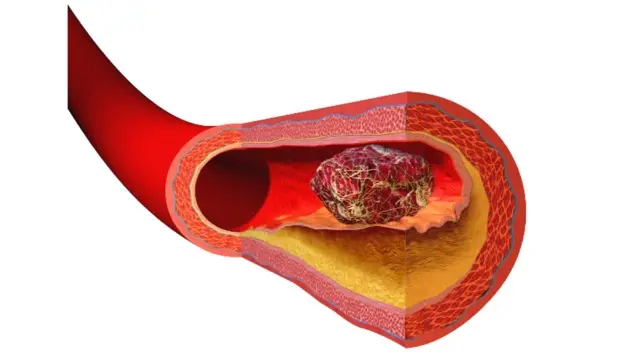
A deep clot cannot be seen through the skin. What you may see is the effect: a leg that is visibly puffier than the other, skin that looks red, purple or darker, and surface veins that look more obvious. In people with darker skin, redness can be harder to spot, so look for swelling, shininess and temperature differences as well as colour.
If you are searching for blood clot in leg pictures, bear in mind that photographs vary widely, and many leg conditions look similar. Cellulitis, varicose veins, a muscle tear, a ruptured cyst behind the knee and heart or kidney problems can all cause a red or swollen leg. Pictures cannot tell you which one you have. A doctor, and usually an ultrasound, can.
Early stage blood clot symptoms in leg
Early stage blood clot symptoms in leg are often mild. You may notice only a slight ache in the calf, a feeling that your sock or shoe is tighter than usual, or mild swelling around the ankle at the end of the day. Early symptoms are easy to dismiss, particularly after a flight, a hospital stay or an operation, which are exactly the times when risk is higher. If a mild symptom stays in one leg, does not improve with rest and elevation, or gets worse over a day or two, have it checked.
Calf deep vein thrombosis symptoms
Clots below the knee are called calf DVT. Calf deep vein thrombosis symptoms are usually milder than those of a clot higher in the leg: localised calf pain or tenderness, a little swelling around the ankle and sometimes warmth. Clots in the thigh or pelvis tend to cause swelling of the whole leg. Calf clots are less likely to travel than higher clots, but they can extend upward, so doctors take them seriously and may repeat a scan.
How to check for a blood clot in your leg
Honestly, you cannot reliably check at home. Tests that used to be taught, such as pulling the toes up to provoke calf pain, are not accurate enough to confirm or rule out a clot. Do not massage a painful, swollen calf, as this is not recommended when a clot is possible.
What you can do is notice the pattern and describe it clearly to a doctor:
- Is it one leg or both?
- How quickly did it start?
- Is there warmth, colour change or tenderness over the calf?
- Do you have risk factors, such as recent surgery, travel, cancer, pregnancy, hormone medicines or a previous clot?
To confirm a clot, doctors use a clinical score, sometimes a D-dimer blood test, and a duplex ultrasound scan, which is quick and painless. If a clot is found, treatment is available, as described in our guide to deep vein thrombosis treatment.
Other causes of a swollen or painful leg
Not every swollen, sore leg is a clot. Both-leg swelling is more often caused by fluid retention, vein valve problems, heart, kidney or liver conditions, or some medicines (see swollen ankles). Enlarged surface veins with aching may be varicose veins. Cellulitis, a skin infection, causes a hot, red, tender area and also needs prompt treatment. Because these can look alike, it is safer to have a sudden one-sided change examined than to guess.
When to see a doctor
Call 995 for sudden breathlessness, chest pain, coughing up blood, fainting or a racing heart.
Seek medical care the same day if you have a swollen, painful, warm or discoloured leg, especially one leg only, or if your calf is tender after surgery, injury, a long journey, during pregnancy or if you have cancer or a past clot. Go to an emergency department if you cannot be seen quickly. Do not rub or massage the leg, and do not stop any prescribed medicine without advice.
If your symptoms are long-standing aches or visible veins rather than a sudden change, try the vein symptom check and see our guide to finding a vein specialist. You can look up terms in the glossary.
This page is educational and cannot diagnose a clot.
Frequently asked questions
Can you feel a blood clot in your leg?
Sometimes. Many people notice a deep ache, cramp or tenderness, most often in the calf. But you usually cannot feel the clot itself, and a good number of people feel nothing at all. Absence of pain does not mean absence of a clot.
Can both legs be affected by DVT?
It is uncommon. DVT usually affects one leg, which is why one swollen leg is more worrying than two equally swollen ankles at the end of the day.
Does a blood clot always cause a lump or visible vein?
No. A deep clot cannot be seen or felt through the skin. A hard, tender, red cord just under the skin is more likely to be a clot in a surface vein, which still deserves a medical check.
What is the difference between a cramp and a blood clot?
A cramp is a sudden tight muscle spasm that eases within minutes with stretching. Clot pain tends to build, last for hours or days and come with swelling, warmth or colour change. If you are unsure, get it checked.
Sources and further reading
This article is general information, not personal medical advice. Please speak to a doctor about your own symptoms. How we create our content.