Good venous ulcer treatment aims to do two things: heal the open sore and stop it coming back. Because the sore is the surface sign of high pressure in the leg veins, treatment works best when it deals with both the wound and the veins underneath. This page walks through each part, from compression to dressings to procedures that close faulty veins. It is educational and cannot replace the plan from your own clinician.
If you are not yet sure what a venous ulcer is, start with our overview of the venous leg ulcer.
Before treatment: why assessment comes first
A leg sore can have several causes, and the right treatment depends on which one it is. Before beginning venous ulcer therapy, clinicians usually:
- ask about your history, including varicose veins, previous clots, diabetes and smoking;
- examine the wound and the surrounding skin;
- check foot pulses and often measure the ankle-brachial pressure index (ABPI) to assess arterial blood supply;
- arrange a duplex ultrasound to look for reflux or blockage in the veins;
- look for infection or signs the wound is not a typical venous ulcer.
The arterial check matters because strong compression can be unsafe if the arteries are narrowed. Our comparison of arterial versus venous ulcers explains why.
Compression therapy: the foundation of venous ulcer therapy
Compression is the most important treatment for most venous leg ulcers. A firm, graduated squeeze on the leg helps blood move upwards, reduces swelling and lowers pressure in the veins, so the skin gets a chance to heal. Research and guidelines, including the ESVS 2022 chronic venous disease guideline and NICE CG168, support compression as a core part of care.
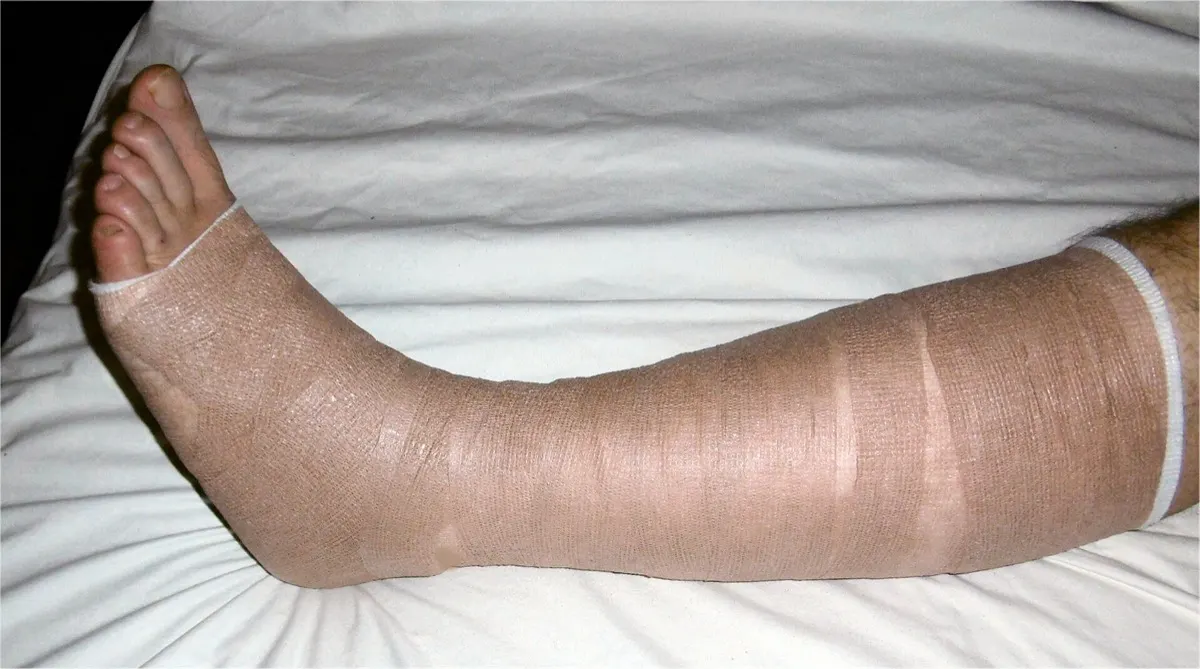
Forms of compression. During active ulcer healing, compression is commonly applied as multi-layer bandage systems or special compression wraps and kits, usually changed by a nurse or trained clinician at regular visits. Some patients use ulcer-specific stocking kits that layer a liner and an outer stocking. The type and strength are chosen after the arterial check.
What it feels like. Compression should be firm but not painful. Report numbness, tingling, colour changes in the toes, increasing pain or any skin damage straight away, as the bandage may need to be reapplied.
How long. Compression is usually continued until the ulcer heals and often for the long term afterwards.
Compression stockings for venous ulcers
Many people ask about compression stockings for venous ulcers, or compression stockings venous ulcers more generally. The role of stockings depends on the stage.
- During an open ulcer. Bandage systems are commonly used because they can be applied over dressings and adjusted as swelling changes. In some cases a suitable ulcer stocking system may be used, if a clinician advises it.
- After healing. Fitted compression stockings are widely used to keep swelling down and lower the chance of the ulcer returning. They must be worn consistently to work, and replaced regularly as they wear out.
- Fit and safety. Poorly fitted stockings can roll, dig in or cut off circulation. Stockings should be measured and fitted by a trained provider, and not worn over a wound without advice.
For general information on stocking classes, fitting and care, see our compression stockings guide. Putting them on can be difficult for people with limited mobility or hand strength, and donning aids or carer help can make a real difference.
Wound care and dressings
Alongside compression, the ulcer itself needs looking after:
- Cleaning. The wound is gently cleaned, commonly with saline or clean water, as advised by the nurse.
- Dressings. The choice depends on how much fluid the wound produces and how it looks. Absorbent, non-sticking dressings are common under compression. Dressing choice varies between clinics.
- Removing dead tissue. Slough or dead tissue sometimes needs to be cleared by a trained clinician so healing can progress.
- Skin care. Moisturising dry skin, treating eczema and protecting the skin around the wound reduce breakdown.
- Avoiding sensitising products. Some creams and dressings can trigger allergy in the skin around leg ulcers, so use only what your clinician recommends.
Infection
Many ulcers carry bacteria without being infected. True infection brings spreading redness, warmth, increasing pain, swelling, pus, a strong smell or fever. Your doctor decides whether a swab or antibiotic is needed. Do not take leftover antibiotics or start them on your own. See the NHS page on cellulitis for warning signs.
Moving, elevating and everyday habits
Day-to-day habits support healing and help prevent recurrence:
- Walk regularly. Using the calf muscle pump is one of the best ways to move blood out of the lower leg. Ask your clinician about suitable exercise and ankle movements.
- Raise your legs. When resting, elevate the legs so the feet are above the level of the hips, as advised by your care team.
- Maintain a healthy weight and manage conditions such as diabetes.
- Stop smoking, which slows wound healing and damages blood vessels.
- Protect the leg from knocks and scratches.
Treating the veins: reducing the chance of recurrence
Healing the sore is half the job. If a duplex scan shows treatable reflux in the superficial veins, closing those veins can reduce the pressure that caused the ulcer. NICE CG168 recommends referral to a vascular service for people with venous leg ulcers, and the ESVS 2022 guideline recommends treating superficial venous reflux in these patients because it lowers the chance of the ulcer recurring.
Modern options are minimally invasive and generally done under local anaesthetic:
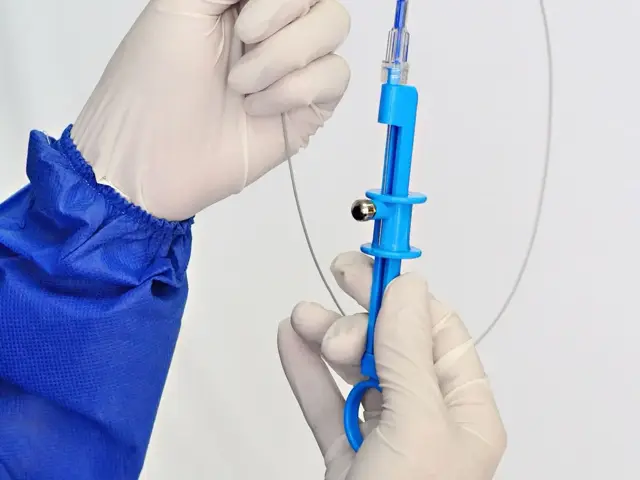
- Vein ablation uses heat (radiofrequency or laser) inside the vein to close it.
- VenaSeal uses medical adhesive to seal the vein without heat.
- Sclerotherapy injects a medicine, often as foam, to close smaller veins.
Which is suitable depends on which veins are leaking, their size and shape, and your general health. Where the deep veins are blocked or damaged, options are more limited and care focuses on compression and activity, sometimes with specialist procedures. Our page on varicose vein treatments compared outlines how these methods differ, and venous insufficiency treatment covers the wider picture. To plan for what happens after a procedure, see recovery after varicose vein treatment.
Some people are advised to have vein treatment even before the ulcer has fully healed. That decision is made case by case.
What about creams, herbal remedies and supplements?
No cream, herbal product or supplement has been shown to replace compression and vein treatment for a venous ulcer. Some products may irritate the skin or interfere with dressings. Talk to your clinician before using any, particularly if you take other medicines.
Why healing can be slow
If an ulcer is not improving after several weeks of proper care, common reasons include:
- compression that is not being worn consistently or is not the right strength;
- undiagnosed arterial disease, infection or another cause;
- untreated vein reflux;
- poor nutrition, uncontrolled diabetes or smoking;
- limited mobility, so the calf pump is not working.
Ulcers that do not improve, or that look unusual, may need a review, sometimes with a biopsy to rule out other conditions. Ask to be referred if you have not had a vein assessment.
Living after the ulcer heals
Recurrence is common, so aftercare matters. Many people continue lifelong compression stockings, daily skin care, regular walking and leg elevation, and prompt attention to any new skin breakdown. If you have had a venous ulcer, early review of a small sore is usually simpler than waiting. Our guidance on how to prevent varicose veins has helpful habits that apply here too.
When to see a doctor
See a doctor promptly if:
- you have a leg sore that has not begun healing after about two weeks;
- an existing ulcer is getting larger, more painful or smells unpleasant;
- redness is spreading, or you have pus, fever or chills;
- your toes become cold, pale, blue, numb or very painful under compression;
- you have healed but the skin is breaking down again.
Call 995 if you feel very unwell, faint or confused, if bleeding from a leg wound will not stop with firm pressure, or if you have sudden chest pain, breathlessness or coughing blood. Do not wait if a leg is suddenly swollen, hot and painful, as this may be a clot.
Use our vein symptom check to sort your symptoms, and see our guide to finding a vein specialist if you need a vein assessment.
Frequently asked questions
What is the best treatment for a venous ulcer?
There is no single best treatment. Care usually combines compression therapy, regular wound care, movement and leg elevation, and treatment of the underlying vein reflux where suitable. The mix is tailored after an assessment of the veins and arteries.
Can compression stockings heal a venous ulcer?
Compression is the main treatment for helping venous ulcers heal, but healing ulcers usually need compression bandages or multi-layer systems applied by a trained professional. Stockings are commonly used to keep the leg healed and to reduce recurrence.
How long does a venous ulcer take to heal?
It varies widely. Many take weeks to months, and larger, older ulcers take longer. Using compression consistently, keeping active and treating infection all help.
Do I need surgery for a venous ulcer?
Not always. Many ulcers improve with compression and wound care. If duplex ultrasound shows treatable reflux, a minimally invasive procedure may be offered to help prevent the ulcer returning.
Can a venous ulcer come back?
Yes, recurrence is common if the underlying venous problem is not treated or if compression is stopped. Long-term skin care, movement and, where suitable, vein treatment lower the risk.
Sources and further reading
This article is general information, not personal medical advice. Please speak to a doctor about your own symptoms. How we create our content.