A burst blood vein in the leg sounds alarming, and when it happens it can look alarming too. The good news is that most of what people describe as a popped vein is a harmless bruise. The less common but more serious version is a varicose vein that has opened and is bleeding. This page explains the difference, gives clear first aid steps and tells you when to call 995. It is educational and cannot replace a medical assessment.
What people mean by a burst vein in the leg
Doctors rarely use the phrase “burst vein”, but patients use it for several different things:
- A bruise from a broken tiny vessel. After a knock, the very small veins under the skin can leak blood into the tissue. You see a flat purple, blue or yellow patch that fades over days to weeks. This is not dangerous.
- A bleeding varicose vein. A swollen vein near the skin surface opens and blood flows out. This is the situation that needs first aid.
- A blood-filled lump. Sometimes blood collects under the skin without breaking through, forming a firm, tender swelling (a haematoma).
- A clot in a surface vein. A hard, tender, red cord along a vein is usually not a burst vein at all but inflammation with a clot (superficial thrombophlebitis).
Working out which of these you have matters, because the response is different for each.
Can a varicose vein burst?
Yes, though it is uncommon. In varicose veins, faulty valves allow blood to pool, so the vein stretches and the pressure inside it stays high. Where the vein sits just under thin skin, particularly around the ankle and lower shin, even a minor scrape, a scratch or a knock can open it.
Because the blood is under pressure, bleeding from a varicose vein can be brisk and look worse than expected, soaking socks or pooling on the floor within minutes. People who are older, who have thin or damaged skin from long-standing vein disease, or who take blood-thinning medicines may bleed more. Bleeding often happens at night or in the bath or shower, when a person is not aware of the injury.
Guidelines such as the NICE guideline CG168 and the ESVS 2022 chronic venous disease guideline list bleeding as one of the recognised complications of varicose veins, along with skin changes and leg ulcers. It is one of the reasons doctors take skin changes around the ankle seriously.
What to do if a blood vein is popped in the leg and bleeding
If you see blood coming from a vein in your leg, stay calm and follow these steps:
- Lie down straight away. Sitting or standing keeps pressure high in the leg veins and keeps the bleeding going. Lying flat also protects you if you feel faint.
- Raise the leg. Put the leg up on pillows or a chair so it is above the level of your heart. Gravity does a lot of the work here.
- Press firmly on the bleeding point. Use a clean cloth, towel or sterile pad and press directly on the spot with your hand or fingers. If blood soaks through, add another cloth on top and keep pressing. Do not lift to peek.
- Keep the pressure on for at least 10 minutes. Look at a clock. Most bleeding from a varicose vein stops with firm continuous pressure and elevation.
- Once it stops, apply a firm dressing. A clean pad held with a bandage that is snug but not tight is enough. Keep the leg raised for a while.
Things to avoid: do not use a tourniquet, do not pick at any clot that forms and do not walk around to “check” the leg in the first few minutes. If you take blood thinners, tell the doctor or emergency staff when you get help, but do not stop your medicine on your own.
When a burst vein in the leg is an emergency
Call 995 for an ambulance if:
- the blood is spurting, pouring or soaking through several layers of cloth;
- bleeding has not stopped after about 10 minutes of firm pressure with the leg raised;
- you feel dizzy, faint, short of breath, clammy or unusually pale;
- you take blood thinners and the bleeding is hard to control;
- you cannot apply pressure yourself and nobody is there to help.
While you wait, stay lying down with the leg raised and keep pressing on the wound. Do not drive yourself to hospital.
If the bleeding stopped quickly with pressure, you do not need an ambulance, but you should still see a doctor soon, ideally within a day or two, to have the vein and the skin checked.
Why it matters even after the bleeding stops
A varicose vein that has bled tends to bleed again. The skin over the weak spot stays thin and the pressure inside the vein remains high, because the underlying problem is venous reflux, blood flowing backwards through leaky valves. First aid fixes the bleeding but not the cause.
The usual next step is a duplex ultrasound scan to see which veins are leaking. If reflux is confirmed, NICE CG168 advises referring people with bleeding varicose veins to a vascular service for assessment, and modern treatments such as vein ablation, VenaSeal or sclerotherapy can close the faulty vein. You can read how the options differ in our guide to varicose vein treatments compared. Many people also find it helpful to read a plain-language explainer on whether a varicose vein can burst before an appointment.
Treating the vein also lowers the risk of other late problems. Long-standing reflux can lead to darkened skin, eczema and eventually open sores, which we cover in chronic venous insufficiency. Sorting out the vein early is usually simpler than managing those later.
Bulging, bruised or painful: is it really a burst vein?
Because the term is used loosely, it helps to compare the common look-alikes.
A flat bruise with no bleeding. This is usually a broken small vessel. Cold packs in the first day, rest and time are enough. See a doctor if bruising keeps appearing without a knock, or if it is unusually large or painful.
A firm, tender, red cord along a vein. This is more likely a clot in a surface vein. It is not a bleed and should not be massaged. It needs review, because a similar-looking picture can sometimes mean a clot in a deeper vein.
A new bulging lump on the leg. Visible veins are not always varicose. Our page on bulging veins in legs explains the harmless causes and the signs that point to disease.
One swollen, painful, warm leg. This can be a deep vein thrombosis, which is a different and potentially dangerous problem. Sudden chest pain, breathlessness or coughing blood alongside leg symptoms is an emergency. Call 995.
Reducing the chance of bleeding
You cannot prevent every injury, but a few habits help people who already have varicose veins:
- Moisturise dry, itchy skin, and try not to scratch over veins.
- Protect the lower legs from knocks, for example by wearing long trousers or socks when gardening or doing housework.
- Check your ankles and shins from time to time, or ask someone to look, especially if the skin is thin, shiny or dark.
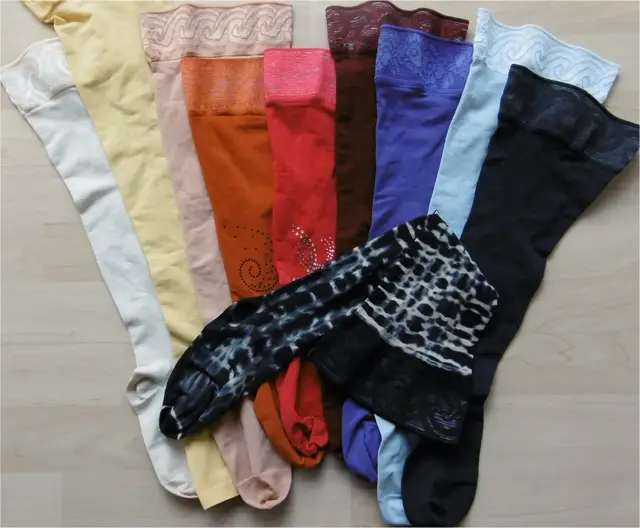
- Wear compression stockings if advised, as they reduce swelling and pressure in the veins. See our compression stockings guide.
- Get symptomatic or skin-changed veins assessed rather than waiting for a bleed.
Everyone should also consider how to prevent varicose veins from worsening, through regular movement, a healthy weight and avoiding long spells of standing still.
When to see a doctor
Call 995 for heavy bleeding that will not stop with 10 minutes of firm pressure, for spurting blood, or if you feel faint. Call 995 as well for sudden chest pain, breathlessness or coughing blood.
See a doctor within a day or two if:
- a varicose vein has bled, even if the bleeding stopped easily;
- the skin over a vein is thin, shiny, discoloured or looks about to break;
- you have a hard, red, tender lump along a vein;
- one leg becomes swollen, warm and painful;
- a wound near your ankle is slow to heal.
You can use our vein symptom check to organise your symptoms before an appointment, and see how to choose a vein specialist. If you take blood thinners, mention this at every consultation.
Frequently asked questions
Can a varicose vein burst?
Yes, but it is uncommon. A varicose vein near the surface can have very thin skin over it, especially around the ankle. A small knock, a scratch or even scratching an itchy area can open it, and because the blood inside is under pressure it can bleed heavily and quickly.
Is a blood vein popped in the leg dangerous?
It depends on what has happened. A broken tiny vessel under the skin shows as a bruise and is harmless. A varicose vein that is actively bleeding can lose a lot of blood quickly and needs firm pressure and, if it does not stop, an emergency call.
Will a bleeding varicose vein happen again?
It can. A vein that has bled once often has thin overlying skin and high pressure inside, so repeat bleeding is a recognised risk. This is a common reason doctors recommend treating the underlying vein reflux.
Should I put a tourniquet on my leg?
No. Firm direct pressure with the leg raised is the recommended approach. A tourniquet is not advised for bleeding from a vein and can make bleeding worse.
Sources and further reading
This article is general information, not personal medical advice. Please speak to a doctor about your own symptoms. How we create our content.