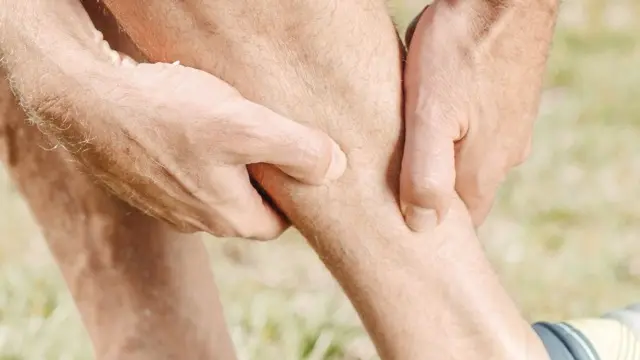
Many families notice swollen feet in the elderly and wonder whether it is part of getting older or something that needs attention. Mild swelling is common, but new or worsening swelling in an older person deserves a check, because the causes range from weak leg veins to heart, kidney or medicine problems. This page is for older adults and their carers. It explains the likely causes, what helps at home and the red flags. It is educational and cannot diagnose anyone.
Call 995 for sudden breathlessness, chest pain, coughing up blood, new confusion or a leg that turns cold, pale or numb. Seek same-day care for one leg that is suddenly swollen, painful or warm, or for hot, red, spreading skin with fever.
Why swollen legs in elderly people are so common
Several changes tend to come together with age:
- Weaker vein valves. Valves in the leg veins may leak over the years, so blood pools in the lower leg. This is chronic venous insufficiency.
- Less movement. The calf muscles help pump blood upwards, and long periods in a chair or bed switch that pump off.
- More medical conditions. Heart, kidney, liver and thyroid conditions are more common.
- More medicines. Several kinds can cause swelling as a side effect.
- Skin that is thinner and more fragile. Swollen skin breaks and gets infected more easily.
What causes swollen feet in older adults
If you are asking what causes swollen feet in a parent or grandparent, these are the main groups.
Vein problems. Both feet or legs swell towards evening and improve overnight. There may be visible varicose veins, aching or heaviness, itchy skin or brownish discolouration near the ankle.
Heart failure. The heart pumps less effectively, so fluid backs up. Swelling in both legs often comes with breathlessness, tiredness, a cough at night or needing more pillows.
Kidney and liver disease. These can cause fluid to build up in the legs and, in liver disease, in the belly.
Medicines. Some blood pressure tablets, anti-inflammatory painkillers, steroids and some diabetes medicines can cause swelling. Never stop a prescribed medicine without advice from a doctor or pharmacist.
Immobility. After a hospital stay, a fall or a stroke, or in people who sit for most of the day, swelling often develops simply because the legs are not moving. People who are bedbound can have swelling in the lower back and thighs rather than the feet.
Lymphoedema. Damage or blockage of lymph channels, for example after surgery or radiotherapy, can cause lasting swelling.
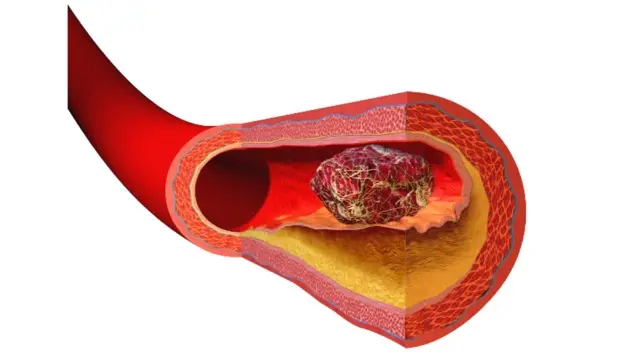
Infection and clots. Cellulitis causes a red, hot, painful swollen area. A blood clot usually affects one leg; see deep vein thrombosis and swelling in one leg.
Clues that help sort out the cause
| Pattern | Possible meaning |
|---|---|
| Both feet, worse by evening, better in the morning | Vein weakness, sitting, heat |
| One leg only, new or painful | Clot, infection or injury: urgent check |
| Both legs with breathlessness or tiredness | Possible heart cause |
| Swelling plus belly swelling or yellow eyes | Possible liver cause |
| Started after a new medicine | Possible medicine effect |
| Open skin, weeping or ulcer | Needs prompt wound care |
This table is a guide, and several causes can exist at once.
How to reduce swelling in feet: what carers can do
Simple steps often help comfort and may reduce swelling from vein weakness or immobility. They do not replace a medical check for a new problem.
- Keep moving. Short, frequent walks, or seated ankle circles and toe raises, help the calf pump. If walking is hard, a physiotherapist can suggest safe exercises.
- Raise the legs. Support the legs on a stool or pillows above heart level for 20 to 30 minutes several times a day, if the person is comfortable and their breathing is not troubled lying back.
- Avoid long sitting with legs down. Change position often and avoid crossing the legs for long periods.
- Choose suitable footwear and clothing. Soft, supportive shoes, and no tight garters or socks that leave deep marks.
- Go easy on salt. Salty soups, sauces and processed foods encourage water retention. Do not restrict drinks unless a doctor advises it.
- Check the skin daily. Look for redness, cracks, blisters or sores, and moisturise dry skin.
- Keep cool. Heat worsens swelling; air-conditioned rooms and loose clothing help.
Compression stockings suit some older adults but not all, especially if leg arteries are narrowed, sensation is reduced or skin is fragile. Ask a doctor or nurse to check suitability and fit first. See the compression stockings guide. More on easing swelling is in how to reduce leg and ankle swelling.
Treatment for swelling in legs and feet
Proper treatment for swelling in legs and feet depends on the cause. A doctor may review medicines, treat heart, kidney or liver disease, treat an infection or treat leg veins that are leaking. Vein-related swelling is checked with a painless ultrasound scan, and options are explained in venous insufficiency treatment. Our vein symptom check can help a family decide whether vein symptoms are present. For general background, see swollen ankles, leg swelling and the glossary. Singapore families can read about how to find a doctor on the find a vein specialist page.
When to see a doctor
Call 995 if an older person has:
- Sudden breathlessness, chest pain or coughing up blood
- New confusion or fainting with swelling
- A leg that becomes cold, pale, blue or numb
Seek same-day care for:
- One leg suddenly swollen, painful, warm or discoloured
- Hot, red, spreading skin or fever
- A wound or ulcer that is weeping, smelly or not healing
Book a GP visit soon if swelling:
- Is new, keeps coming back or is getting worse
- Comes with weight gain over a few days or needing more pillows to sleep
- Started after a new medicine
- Comes with skin changes, itching or visible veins
Bring a list of all medicines, including supplements, to the appointment.
This page is educational and does not replace personal medical advice.
Frequently asked questions
Why do older people get swollen feet?
Vein valves can weaken with age, calf muscles pump less when mobility falls, and conditions such as heart, kidney or liver disease become more common. Many older adults also take medicines that can cause swelling. Often more than one factor is involved.
Is swelling in the feet and legs normal in old age?
It is common but it should not be dismissed as normal ageing. New or worsening swelling can signal a treatable problem, so it is worth having a doctor take a look.
How can carers help reduce swelling in the feet?
Encourage short walks or seated leg movements, help the person raise their legs when resting, check the skin each day for redness, sores or cracks, and keep a note of changes. Do not change medicines or give leftover tablets.
What treatment is there for swelling in the legs and feet?
It depends on the cause. A doctor may adjust medicines, treat a heart, kidney or liver condition, treat an infection or treat leg veins that are leaking. Compression stockings suit some people but not everyone, particularly if leg circulation is poor.
When are swollen feet in an older person an emergency?
Call 995 if there is sudden breathlessness, chest pain, coughing blood, new confusion, or a leg that becomes cold, pale or numb. Seek same-day care for a single swollen, painful or warm leg or for hot, red, spreading skin with fever.
Sources and further reading
This article is general information, not personal medical advice. Please speak to a doctor about your own symptoms. How we create our content.