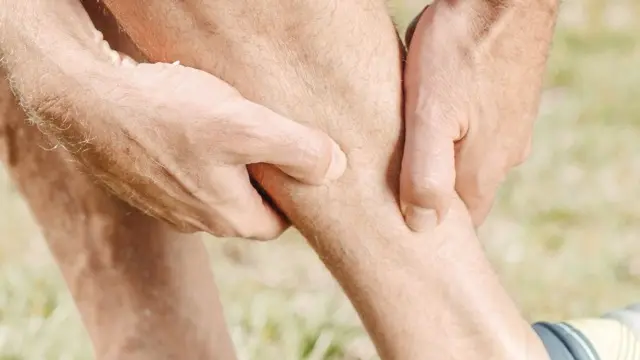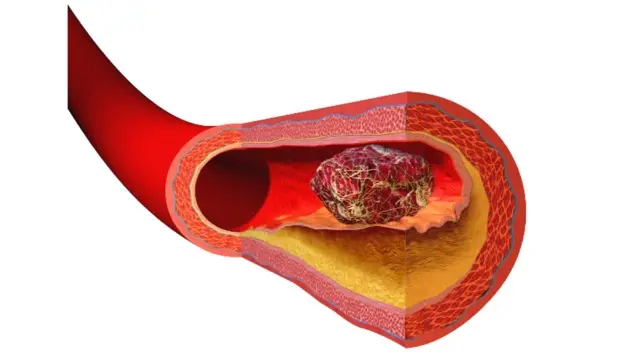
Seek urgent care if one leg suddenly becomes swollen, painful and warm, if redness spreads quickly with fever, or if you have chest pain, breathlessness or cough up blood. Call 995 for chest pain or breathing difficulty. A new open sore on the lower leg should also be checked promptly.
What is stasis dermatitis?
Stasis dermatitis is a long-term inflammation of the skin on the lower legs, most often around the inner ankle. It happens when blood does not flow well out of the leg veins, so pressure builds up and fluid and inflammatory substances seep into the surrounding skin. You may also see it called venous stasis dermatitis, stasis eczema or venous eczema. Because the pressure is partly a matter of gravity and standing, the term gravitational eczema is used too, and varicose eczema when it appears alongside varicose veins.
It is not an infection and it is not contagious. It is one of the skin changes of chronic venous insufficiency, the condition in which leg-vein valves leak and blood pools in the lower leg.
What does it look like?
Signs usually develop slowly and are often worse at the end of the day. Common features include:
- Itching, which can be intense
- Dry, flaky, scaly or crusted skin
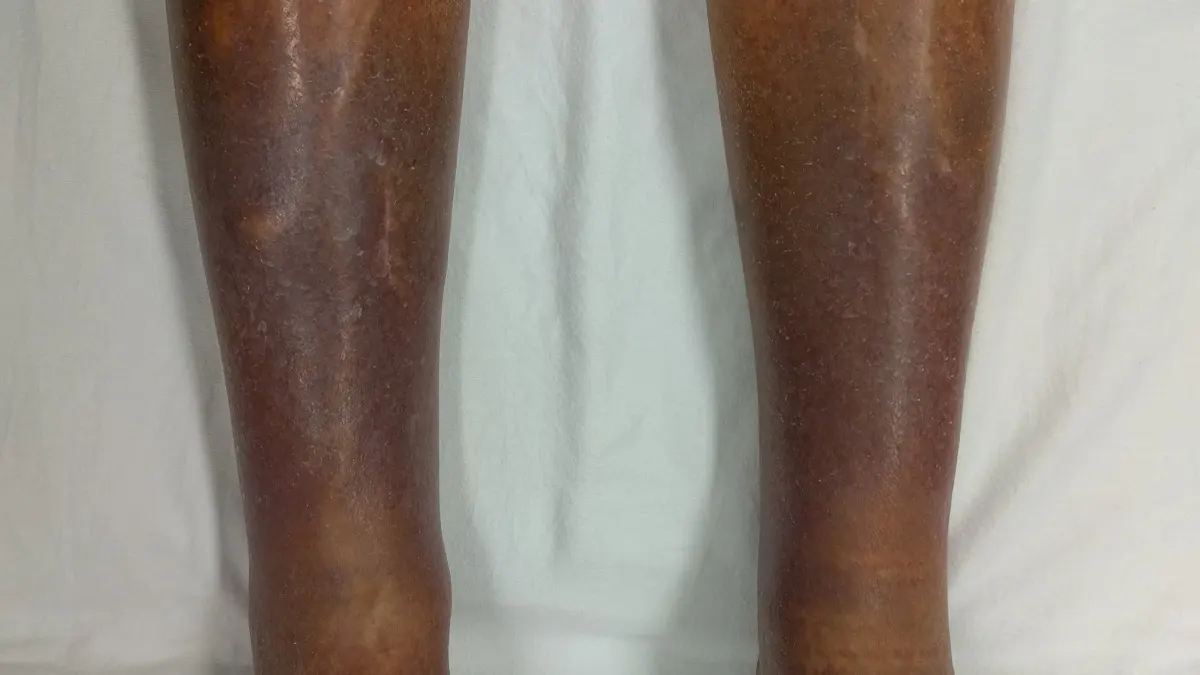
- Red, pink or purplish patches that become brownish with time, especially around the ankle
- Swelling of the ankles and lower legs
- Skin that feels tight, thickened or hardened as the condition continues
- Small areas of weeping or cracking in flare-ups
On darker skin the early redness may be hard to spot, and the first clue can be patchy darkening or ongoing itch. Photos of eczema on legs online can be useful but are easy to confuse with other rashes, so do not rely on pictures alone. Our guide to a rash on legs explains the other possibilities.
Why does it happen?
When valves in the leg veins fail, blood flows backward and the pressure inside the small veins stays high. Over time this causes swelling and allows blood cells and proteins to leak into the skin, where they trigger inflammation and leave brown staining. This process of poor vein drainage is sometimes called venous stasis or venostasis.
Factors that raise the chance include:
- Varicose veins or a family history of vein problems
- A previous deep vein thrombosis
- Long periods of standing or sitting, common in many jobs
- Excess weight, pregnancy and older age
- Reduced calf movement, for example after injury or limited mobility
Heat and humidity do not cause it, but warm weather can make legs swell and itch more.
Stages: from itch to ulcer
Doctors place stasis dermatitis within the wider picture of chronic venous disease. Early on there may be only swelling and itch. Later the skin darkens and may harden. If the skin is damaged, an open sore called a venous leg ulcer can form. Not everyone progresses, and the pace varies widely, but skin changes near the ankle are a signal that the veins deserve attention.
How is it diagnosed?
A doctor can usually recognise the pattern from the history and an examination of both legs. They will check for swollen or varicose veins, rule out infection, allergy and other skin conditions, and may feel the pulses in your feet. A duplex ultrasound is the standard scan to see whether veins are leaking, and NICE advises it for people with suspected varicose veins. It is painless and uses no radiation.
Stasis dermatitis treatment: the overview
Treatment has two aims: calm the skin and reduce the pressure in the veins. Your doctor will tailor this to you, but common elements are:
- Skin care. Gentle, fragrance-free moisturising helps keep skin supple. Avoid scratching and avoid products that irritate. A doctor may prescribe short courses of topical treatment for flare-ups; do not start these without advice, particularly on broken skin.
- Compression. Properly fitted stockings help move fluid out of the leg and are central to venous eczema care. See our compression stockings guide. Check with a doctor first if you have poor arterial circulation, as compression is not suitable for everyone.
- Elevation and movement. Raising the legs above hip level when resting and walking regularly help the calf pump work.
- Treating the veins. If scans show leaking veins, procedures to close them may be discussed. See venous insufficiency treatment and varicose vein treatments compared.
- Treating infection or other causes. If the skin is infected or you have a contact allergy, these need their own management.
Because skin that has been stretched and inflamed heals slowly, patience is important. Many people find the skin improves but needs ongoing care to stop it recurring.
Venous stasis dermatitis versus other leg skin problems
Several conditions can look similar, and it is common for more than one to be present. Cellulitis causes hot, tender, quickly spreading redness, usually in one leg, often with fever. Contact dermatitis follows exposure to an irritant or allergen, such as a cream, dressing or stocking material; in fact people with venous eczema are prone to developing new allergies to products applied to their legs. Fungal infection typically has a sharper, scaly edge. Lipodermatosclerosis, a hardening of the skin and fat that can follow long-term venous disease, may feel woody and tender. Because treatment differs, an examination matters more than a photograph.
Living with it day to day
Stasis dermatitis tends to wax and wane. Flares are often linked to a long day on your feet, hot weather, scratching or a skin product that does not suit you. Keeping a simple routine of moisturising, movement, elevation and compression usually makes flares less frequent. In Singapore’s climate, cool showers, breathable clothing and air-conditioned breaks for the legs can help. If a particular dressing or cream makes the skin worse, stop it and tell your doctor.
Everyday protection
- Moisturise daily and wash with mild cleansers
- Keep nails short to limit scratch damage
- Avoid tight bands at the knee or ankle
- Treat even small cuts promptly
- Maintain a healthy weight and stay active
- Change position often if you sit or stand for long periods
When to see a doctor
See a doctor if you have a persistent itchy, dark or scaly patch on the ankle or shin, if swelling is increasing, or if the skin is weeping, cracked or sore. Seek help sooner for spreading redness, warmth, fever, a new sore or a very painful leg, since these can signal infection, a clot or an ulcer. For sudden one-sided swelling with chest pain or breathlessness, call 995.
Not sure where to start? Try the vein symptom check or read about how to find a vein specialist. Terms are explained in our glossary. This article is general education and does not replace advice from your own doctor.
Frequently asked questions
Is stasis dermatitis the same as eczema?
It looks like eczema and is sometimes called varicose eczema, gravitational eczema or venous eczema. The difference is the cause: it is driven by pressure and poor flow in the leg veins rather than by an allergy or the eczema that begins in childhood. The two can occur together.
Is there a stasis dermatitis cure?
The skin inflammation can usually be settled with good care, but the vein problem underneath tends to persist, so the rash may return if the leg pressure is not addressed. Doctors talk about controlling the condition rather than a one-off cure.
What do pictures of eczema on legs from vein problems look like?
Photos typically show red or brown patches around the inner ankle, with dry, flaky or crusted skin, sometimes with visible varicose veins and puffy ankles. Pictures vary with skin tone, and redness is harder to see on darker skin, so a doctor's examination is more reliable than comparing photos.
Can stasis dermatitis turn into an ulcer?
It can in some people, especially if the skin cracks, is scratched open or becomes infected. This is why early care matters. Our page on venous leg ulcers explains what to look for.
Is stasis dermatitis contagious?
No. It is caused by pressure inside the veins, not by a germ, so you cannot catch it or pass it on.
Sources and further reading
This article is general information, not personal medical advice. Please speak to a doctor about your own symptoms. How we create our content.