Phlebitis is inflammation of a vein. It most often affects a vein just under the skin of the leg or arm, and it can make a stretch of the vein red, sore and hard. Most cases are not serious and settle within a couple of weeks, but a sore vein can occasionally be linked to a deeper clot, so it is worth understanding what to look for. This page explains what phlebitis is, what causes it, the symptoms, how superficial and deep problems differ, and how doctors check. It is general education and does not replace an examination by a doctor.
What is phlebitis?
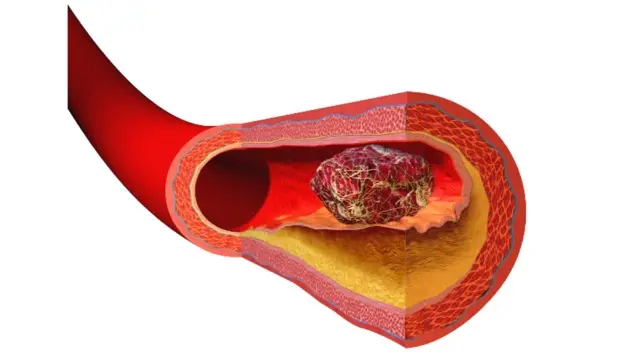
The phlebitis definition is simple: “phleb” refers to a vein and “itis” means inflammation. So the phlebitis meaning is an inflamed vein. The inflammation can come from irritation of the vein wall, an injury, an infection or a clot forming inside the vein.
Doctors use a few related terms:
- Phlebitis is the general word for an inflamed vein, with or without a clot.
- Thrombophlebitis means the vein is inflamed and a blood clot (a thrombus) has formed in it.
- Superficial means the vein is close to the skin surface, as opposed to the deep veins inside the muscles.
In everyday use the words overlap. The NHS uses “phlebitis” for inflammation of a vein near the skin that is often caused by a clot, and says it is not usually serious. If you would like to understand how veins work first, see our glossary.
Phlebitis symptoms
Phlebitis symptoms usually develop over hours to a day or two and affect one area. Typical features include:
- A tender, painful stretch of vein, often along the lower leg or forearm
- Redness or darker skin over the vein, which may feel warm
- A firm, rope-like cord you can feel under the skin
- Mild swelling around the area
- Occasionally a low-grade temperature
The area can be sore when touched or when you move the limb. Symptoms such as intense pain, spreading redness with fever, or swelling of the whole leg are different and need urgent assessment, covered below.
Superficial phlebitis and superficial thrombophlebitis
Superficial phlebitis is inflammation in a vein close to the skin. When a clot is present, it is called superficial thrombophlebitis. It is a common problem and can happen at any age, although it is more frequent in adults.
Common causes and risk factors
Several things can trigger it, and sometimes no clear cause is found:
- Varicose veins. Slow, pooling blood in enlarged veins makes clots more likely. Phlebitis in a varicose vein is common and can recur. Our guide to varicose veins explains why these veins are affected.
- A drip, cannula or injection. A tube placed in a vein can irritate it. Our page on IV phlebitis covers this in detail.
- Injury or bruising to the limb.
- Long periods without moving, such as a long flight, bed rest or after surgery.
- Pregnancy and hormone treatments, including some contraceptive and replacement hormone medicines.
- Conditions that make blood clot more easily, some cancers, and a personal or family history of clots.
- Smoking, excess weight and older age.
How long does it last?
The NHS notes that phlebitis often improves by itself in a week or two, though a hard lump can take longer to fade and the skin may stay discoloured for some time. For what helps while it settles, see phlebitis treatment.
Migratory thrombophlebitis
Migratory thrombophlebitis describes inflamed, clotted veins that appear in one place, settle, and then appear in a different vein, sometimes on the other limb. Because the pattern keeps moving, it is also called recurrent or “wandering” phlebitis.
It is much less common than a single episode. Occasionally it is associated with an underlying health condition, so repeated episodes in different veins, or phlebitis with no obvious trigger such as a drip or varicose vein, should always be discussed with a doctor. A doctor may ask about your general health and decide whether any tests are needed. Having it does not mean something serious is wrong, but it is a reason to be checked rather than to keep treating it at home.
Superficial phlebitis vs deep vein thrombosis
This is the distinction that matters most. Veins near the skin and veins deep in the leg are connected, and a clot in a surface vein can, in some people, extend into a deep vein or exist alongside one.
| Superficial phlebitis | Deep vein thrombosis (DVT) | |
|---|---|---|
| Where | A vein just under the skin | A vein deep within the leg muscles |
| What you see | A red, tender cord you can feel | Often swelling of the calf or whole leg, with or without redness |
| Pain | Along the vein | Throbbing or cramping in the calf or thigh |
| Main concern | Usually minor | Clot can travel to the lungs (pulmonary embolism) |
The two can look similar, and you cannot reliably tell which one you have by looking. The NHS lists a swollen, painful, warm or red leg, with throbbing or cramping pain, as possible DVT symptoms. See our guide to deep vein thrombosis and blood clot in leg symptoms. Swelling in one leg only is another sign worth taking seriously, as explained in swelling in one leg.
When phlebitis matters more
Phlebitis is more likely to need further checking when:
- The affected stretch of vein is long, or close to where surface veins join the deep system, such as the groin or behind the knee
- It is in or near a varicose vein, especially a large one
- There is swelling of the whole limb, or symptoms are getting worse
- It keeps coming back or moves from vein to vein
- You are pregnant, recently had surgery, have cancer, or have had clots before
- You have fever, pus or spreading redness, which may suggest infection
How phlebitis is diagnosed
Many doctors can diagnose phlebitis by asking about your symptoms and examining the area. They may ask about recent drips or injections, travel, surgery, pregnancy, hormone medicines and any history of clots.
If there is any doubt about a deeper clot, or the affected vein is long or near a deep vein junction, you may be offered a duplex ultrasound. This is a painless scan that uses sound waves to show the vein and the blood flow inside it, and to check whether the deep veins are clear. NICE guidance on venous thromboembolism (NG158) and varicose veins (CG168) sets out how clots and vein problems are assessed in the NHS. A duplex scan can also show whether varicose veins are behind repeated episodes, which may be worth discussing with a specialist. You can find more on that in how to find a vein specialist.
Blood tests are sometimes used, for example if there is a suspected infection or no clear cause, but they are chosen case by case.
Can phlebitis be prevented?
Not always, but sensible habits lower the chance:
- Keep moving and avoid sitting or standing still for long periods
- Walk and stretch your calves regularly on long journeys
- Maintain a healthy weight and avoid smoking
- Have varicose veins that repeatedly become inflamed looked at, since they are a common cause
- Tell your care team early if a drip site becomes painful or red
Our guide on how to prevent varicose veins lists everyday habits that support leg veins.
When to see a doctor
See a doctor promptly, ideally within a day or so, if you have a hard, painful or red vein, if the area is growing, if you are pregnant or have had a clot before, or if it has not improved after a week or two. Also seek advice if phlebitis keeps returning or moves from one vein to another. If you are unsure how worried to be, our vein symptom check can help you note your symptoms before you speak to a doctor.
Call 995 straight away if you have any of the following, as they may mean a clot in the deep veins (DVT) or lungs (pulmonary embolism):
- Sudden, painful swelling of a whole leg
- Chest pain, especially sharp pain that is worse when you breathe in
- Breathlessness that comes on suddenly
- Coughing up blood
- Feeling faint or having a racing heartbeat together with leg symptoms
Also seek urgent care for spreading redness with fever and feeling very unwell, which can suggest infection. Do not drive yourself if you have chest symptoms.
Frequently asked questions
What is phlebitis?
Phlebitis is inflammation of a vein, often causing redness, warmth, tenderness and a firm cord along the vein. When a clot is present it is called thrombophlebitis.
Is superficial thrombophlebitis dangerous?
Usually it is not, but it needs medical assessment, because in some cases the clot is close to a deep vein junction or occurs together with a deep vein clot. A scan can tell.
What is migratory thrombophlebitis?
A pattern where inflamed, clotted veins appear in one place, settle, then appear in another. It can sometimes be associated with underlying conditions, so it should be assessed by a doctor.
What are the main phlebitis symptoms?
A tender, warm, red or darkened line along a vein, often with a firm cord you can feel, mild swelling and sometimes a low-grade fever. Symptoms are usually in one limb.
How is phlebitis different from a deep vein thrombosis?
Phlebitis usually involves a vein just under the skin, while DVT is a clot in a deep vein. DVT can cause swelling of the whole limb and is more dangerous, but the two can look alike, so assessment matters.
Sources and further reading
This article is general information, not personal medical advice. Please speak to a doctor about your own symptoms. How we create our content.