A pulmonary embolism (PE) is a blood clot that blocks one of the arteries in the lungs. It is a medical emergency, because the blockage can limit the oxygen reaching your body and strain the heart. In most cases the clot began in a deep vein in the leg, which is why PE is best understood as a complication of deep vein thrombosis (DVT). This page explains what a pulmonary embolism is, the symptoms and signs to know, what causes it and how it is treated. If you think you may have one right now, call 995.
What is a pulmonary embolism?
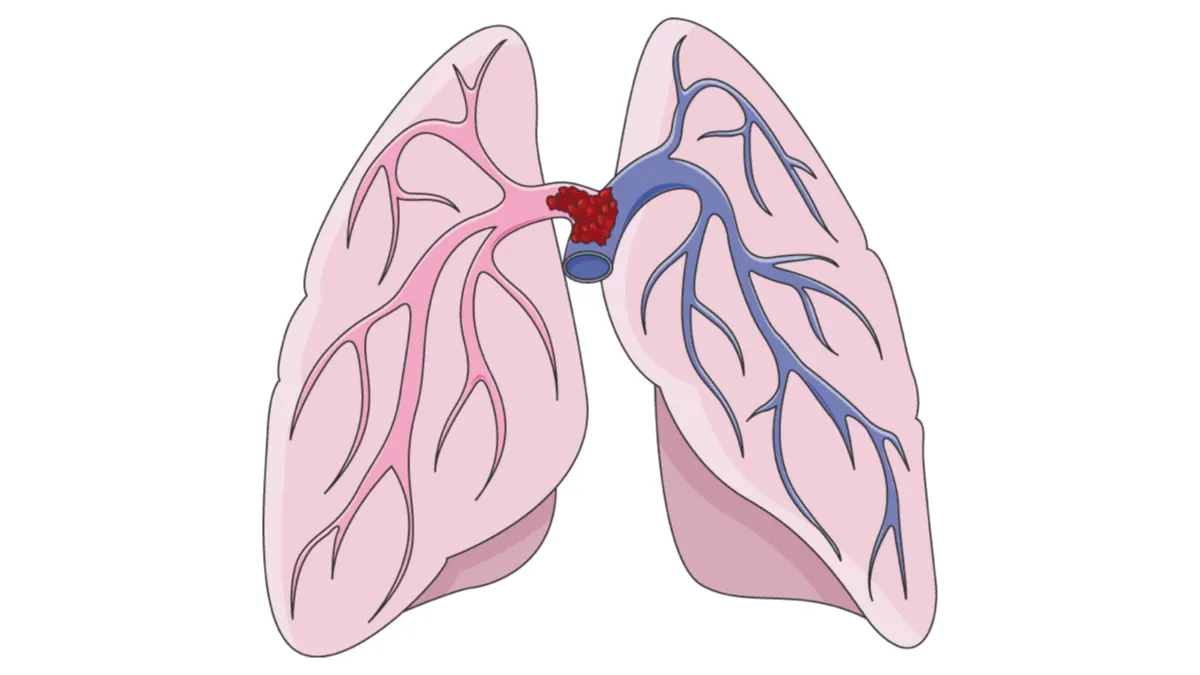
Blood returning from the body flows through the heart and then into the lungs, where it picks up oxygen. The arteries in your lungs branch into smaller and smaller vessels. When a clot lodges in one of them, blood flow to part of the lung is blocked or reduced. That is a pulmonary embolism.
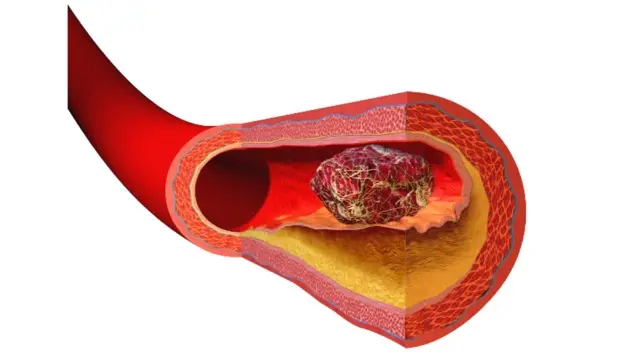
The clot, called an embolus, has usually travelled from somewhere else. This is the link to veins: a DVT forms in a deep vein, a piece breaks away, passes through the right side of the heart and lands in the lungs. Doctors group DVT and PE together as venous thromboembolism (VTE). You can learn more about the leg side of the problem in our guide to preventing DVT.
A pulmonary embolism is a blood clot in the lungs, and it is not the same as a clot in a surface vein. The clots that cause PE nearly always begin in the deep veins.
Symptoms of pulmonary embolism
The symptoms of pulmonary embolism vary with the size of the clot and how healthy your heart and lungs are. Some people have mild symptoms, while others become very unwell quickly. According to the NHS, the most common signs include:
- Shortness of breath, which may come on suddenly or worsen over hours or days.
- Chest pain, which may be sharp or stabbing and often gets worse when you breathe in.
- Coughing, sometimes with blood-streaked mucus or coughing up blood.
- Feeling dizzy, light-headed or faint.
- A fast heartbeat or feeling of palpitations.
- Sweating, anxiety or a sense that something is seriously wrong.
Signs of pulmonary embolism in the legs
Because most clots begin in the leg, you may also notice the signs of DVT: swelling, pain or tenderness, warmth and redness, usually in one leg. But do not wait for leg signs. Many people with a PE have no noticeable leg symptoms at all.
Do all these symptoms mean PE?
No. Breathlessness and chest pain have many other causes, including infections, asthma and heart conditions. Only a medical assessment can tell. That uncertainty is exactly why sudden breathlessness or chest pain should be assessed urgently rather than guessed at.
What causes a pulmonary embolism?
Pulmonary embolism causes are the same as the causes of DVT, because the clot normally starts in the leg or pelvis. Clots tend to form when blood flow slows, a vein wall is damaged, or the blood clots too easily. Common risk factors include:
- A recent operation, particularly on the hip, knee or abdomen, or a stay in hospital.
- Long periods of immobility, such as bed rest or very long journeys.
- Cancer and some cancer treatments.
- Pregnancy and the weeks after birth.
- Medicines containing oestrogen.
- A previous DVT or PE, or a family history of clots.
- Older age, obesity and smoking.
- Some inherited or acquired clotting conditions.
Sometimes there is no clear trigger, which doctors call an unprovoked clot. In rare cases, a clot may form in the right side of the heart or pelvic veins, but the leg veins are the most frequent source.
How is a pulmonary embolism diagnosed?
Diagnosis usually starts with questions about your symptoms and risk factors, a physical examination and a blood test that can help rule out a clot in people at lower risk. If a clot remains possible, imaging is used. A CT scan of the lung arteries is the most common test, and in some cases other scans or a leg ultrasound are used. Doctors follow protocols such as NICE guideline NG158 to decide which tests are right for each person.
How is a pulmonary embolism treated?
Treatment begins as soon as the diagnosis is likely. The main treatment is an anticoagulant, a medicine that thins the blood to stop the clot growing and prevent new ones while the body breaks the clot down naturally. Your doctor will decide the type and length of treatment based on your situation. Never start or stop these medicines without medical advice. In severe cases, stronger treatments given in hospital may be needed to remove or dissolve the clot.
Most people who receive prompt treatment recover, although some have lingering breathlessness or tiredness for a time and need follow-up. Your doctor may also look into why the clot happened.
Can a pulmonary embolism be prevented?
Prevention is mostly about reducing the chance of leg clots. That includes staying active, keeping a healthy weight, not smoking and following any clot prevention plan after surgery or during a hospital stay. Our page on preventing DVT covers this in detail, including long-haul travel.
Pulmonary embolism and other leg problems
People often wonder whether common vein problems such as varicose veins lead to pulmonary embolism. Varicose veins are surface veins, and they are a different problem. A clot in a surface vein is usually less dangerous than a deep clot, but any new painful, hard, red area on a vein deserves a check. If you have swelling in just one leg, read about swelling in one leg, and if you are unsure what is behind general swelling, see leg swelling. There is also a common belief that home remedies can fix clots, which we address in can you dissolve blood clots naturally.
Living with the risk of a clot after a pulmonary embolism
After treatment, many people are anxious about another clot. Your doctor will explain how long treatment lasts and will often review your risk factors. Staying active, keeping a healthy weight and avoiding smoking all help. Let any doctor or surgeon know about your history before procedures or long trips so that preventive steps can be planned.
Pulmonary embolism versus other causes of chest pain or breathlessness
Many conditions can mimic a PE, including chest infections, asthma, anxiety and heart disease. Because the stakes are high, doctors often test for a clot even when another cause seems likely. If you are told that a PE has been ruled out but your symptoms continue, return and say so.
When to see a doctor
Call 995 immediately if you have sudden shortness of breath, sudden chest pain, you cough up blood, or you feel faint, particularly if you also have a swollen or painful leg, or recent surgery, a long journey, cancer, pregnancy or a past clot. Do not drive yourself to hospital, and do not wait to see if it passes.
See a doctor the same day if you have a swollen, painful, warm leg, even without chest symptoms, because treating a DVT early can prevent a PE.
If you have been treated for a clot before and have new breathlessness, tell your doctor or emergency staff so that they know your history.
This page is general education and not a substitute for personal medical advice.
Frequently asked questions
What is a pulmonary embolism in simple terms?
It is a blockage in one of the blood vessels of the lungs, almost always caused by a blood clot that travelled there from elsewhere, most often from a deep vein in the leg.
What are the first signs of a pulmonary embolism?
Common signs are sudden shortness of breath, chest pain that may be sharp and worse when you breathe in, and a cough that may bring up blood. Some people feel dizzy, faint or have a fast heartbeat. Signs of a leg clot, such as a swollen painful leg, may or may not be present.
Can you have a pulmonary embolism without leg symptoms?
Yes. A clot in the leg can cause no noticeable symptoms before part of it travels to the lungs, so the first sign can be breathlessness or chest pain.
Is a pulmonary embolism always fatal?
No. Many people recover well with prompt treatment, but PE can be life-threatening, which is why it is treated as an emergency.
Can a pulmonary embolism be prevented?
Some cases can be prevented by lowering the risk of leg clots, for example by staying active, not smoking, and following clot prevention plans in hospital or after surgery.
Sources and further reading
This article is general information, not personal medical advice. Please speak to a doctor about your own symptoms. How we create our content.